
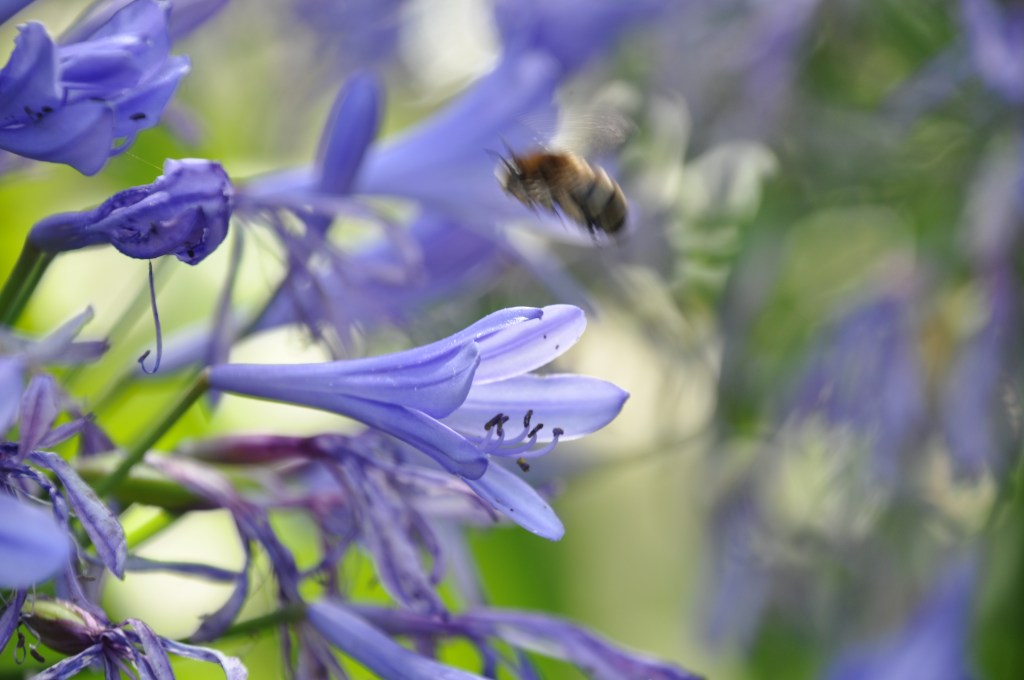
On a hot summer day, sitting in the middle of a lush garden surrounded by colourful plants and tropical trees, I watch bees and butterflies moving from one flower to another. In the distance, I listen to the sound of chickens clucking, dogs barking and birds singing – a symphony of its own kind – whilst enjoying a fresh breeze brushing my face. This is exactly how I pictured my escape to recover from the lockdown and the whole Covid situation, and my choice of destination couldn’t be any better.
Madeira is an autonomous region of Portugal that’s closer to the northwest of Africa than the southwest of Europe. Its small size, summer climate all year round and diverse natural landscapes make it a perfect European escape that can be explored easily.
According to history, back in the 19th and 20th centuries, doctors used to recommend the island’s good air and landscapes to aristocrat patients diagnosed with Tuberculosis. I’m curious to see if the island still has those healing effects – although this time for people to recover from the effects of lockdowns and Covid restrictions.
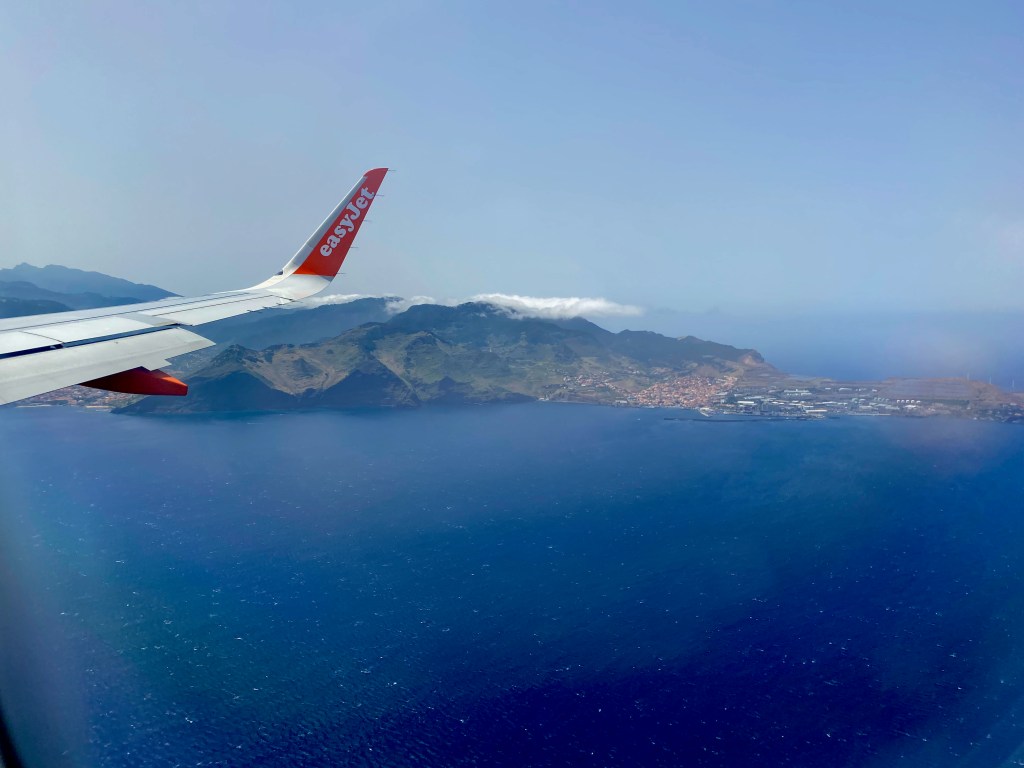
Its charm starts to attract me as soon as I spot this small drop in the Atlantic Ocean getting bigger as the plane starts to land. Surrounded by the dark blue ocean hugging its shoreline and covered with red-roofed hills and lush green mountains, I know from this moment that I made a great decision coming here.
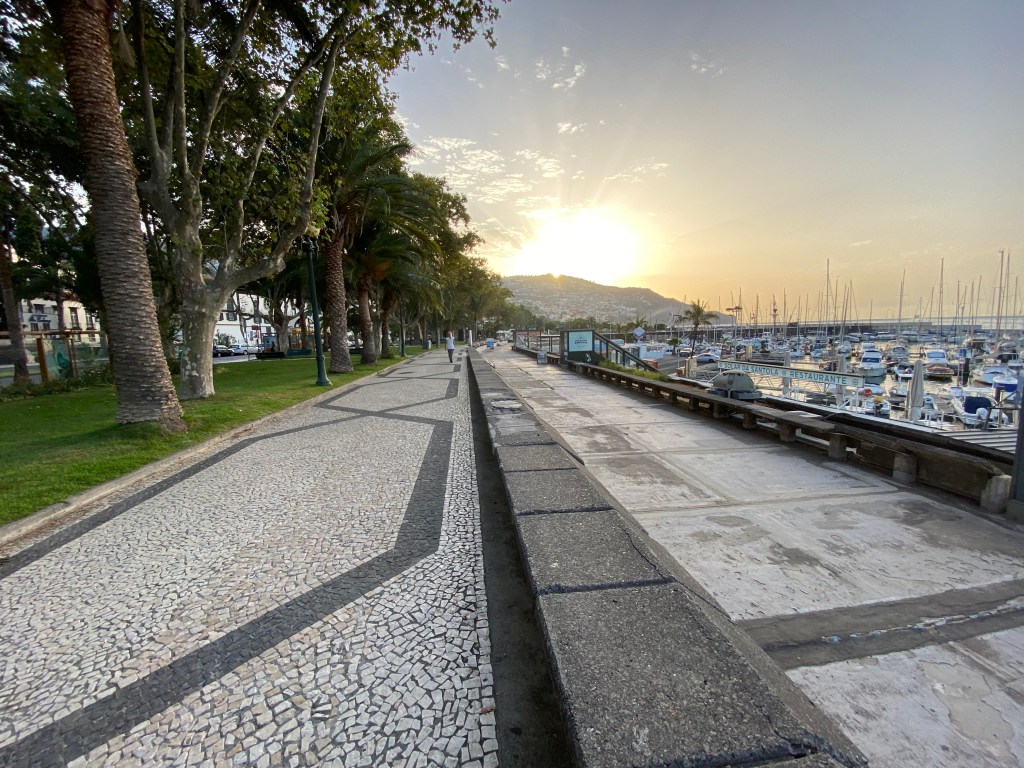
My journey in Madeira starts in its capital Funchal – a historic city that dates back to over 500 years ago as witnessed by its grey and white dominated architecture. I wake up just before sunrise and go for a run along the waterfront promenade. Many people are already out running, walking or having their espressos in the palm-shaded coffee kiosks. I run to Pontinha, where I watch the ferry leaves to Porto Santo.
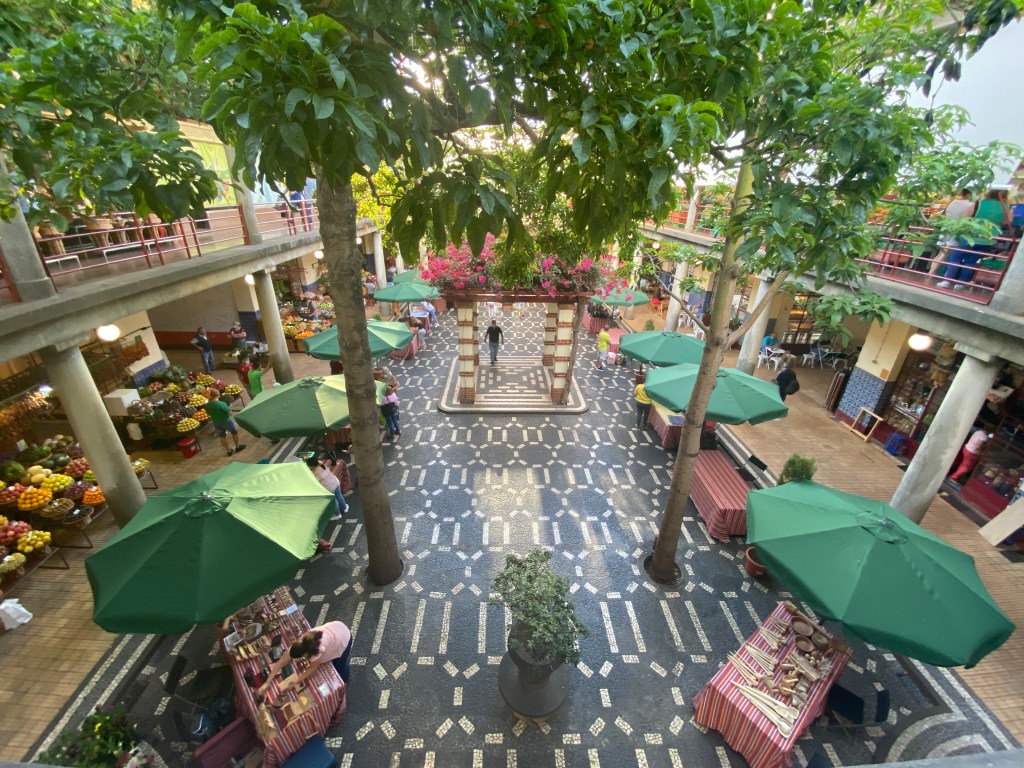
On the way back, the sun starts to rise from behind the hills, turning the sky into a blanket of orange, grey and blue decorated with drops of white clouds. I stop by the famous Mercado dos Lavradores to grab a coffee, some fruits and fresh fish for later on. Despite being the capital, Funchal is relatively quiet – slightly busier compared to the rest of the island, but one can still feel the slow movement of the day and the relaxed lifestyle.
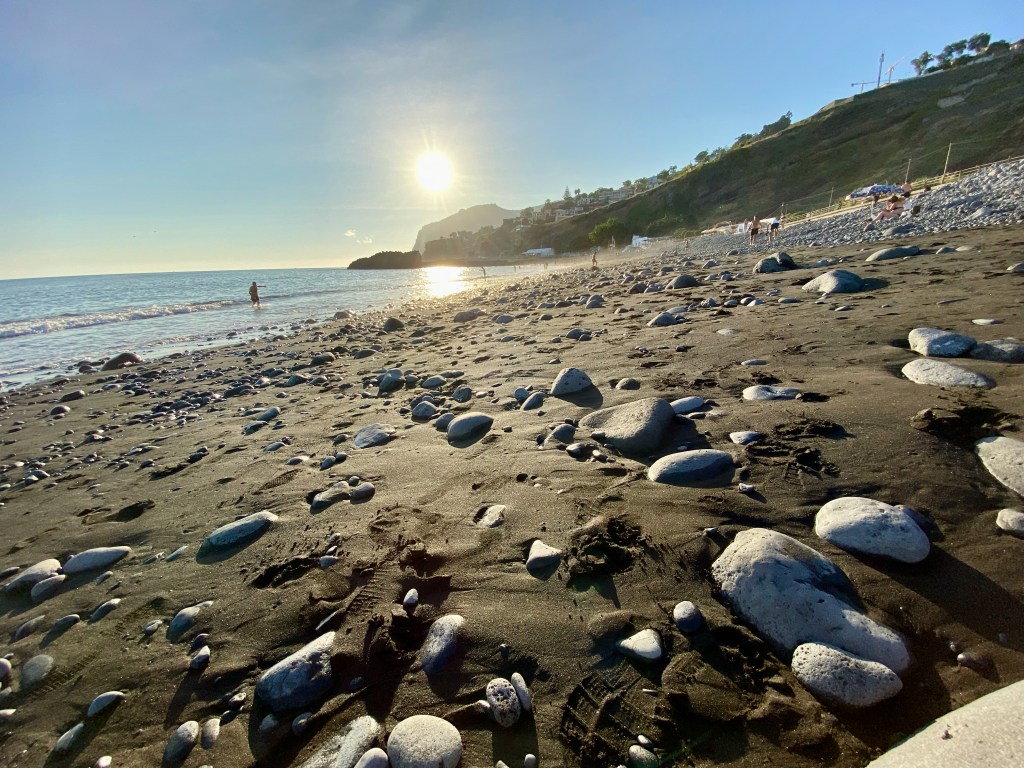
The next day, I make my way to Camara de Lobos – a charming fishing village next to Funchal. I walk along a picturesque path, from the Lido area in Funchal – where my hotel is – to Câmara de Lobos. On the way, I pass by the famous Praia Formosa, a beach like no other I’ve seen before – black sand that glitters under the sunlight with black and shiny stones scattered along the shoreline. Few people seem to venture into the cold water of the ocean and the rest are happy to sunbathe and enjoy the warmth of the morning sun.
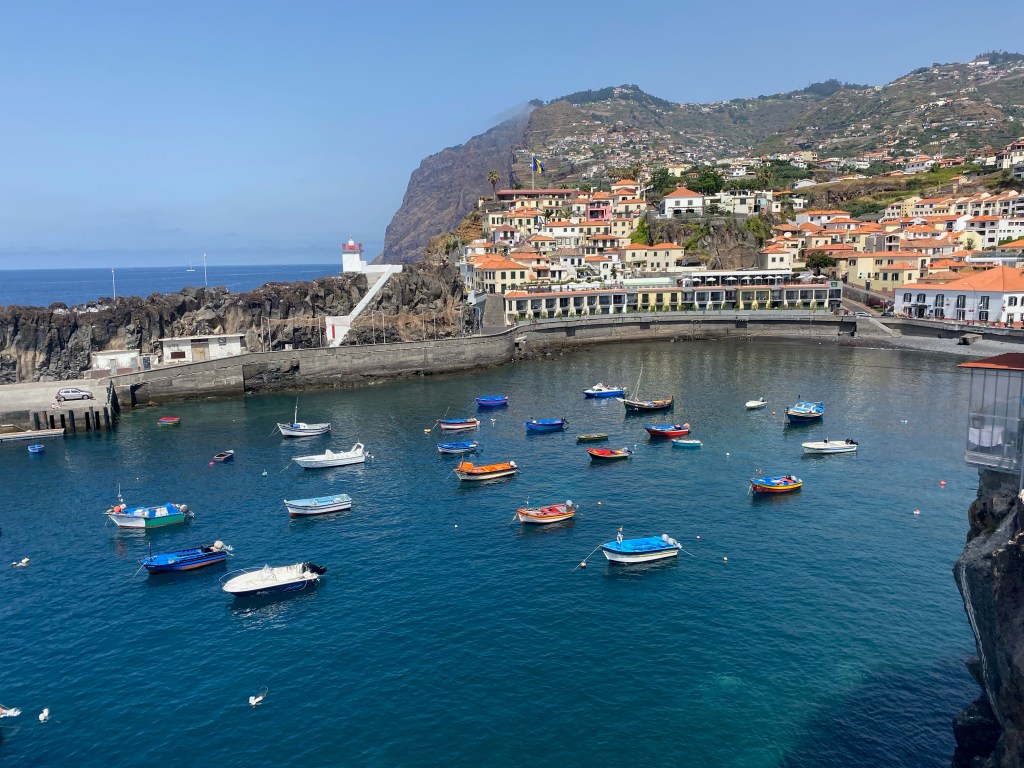
An hour later, I arrive to Churchill Bay in Câmara de Lobos. The bay is filled with colourful finishing boats rocking side to side in the harbour, and overlooking a hill dotted with red-roofed houses. People are enjoying their lunch or a drink in the waterfront restaurants and coffee shops. A group of locals are playing cards on the side.
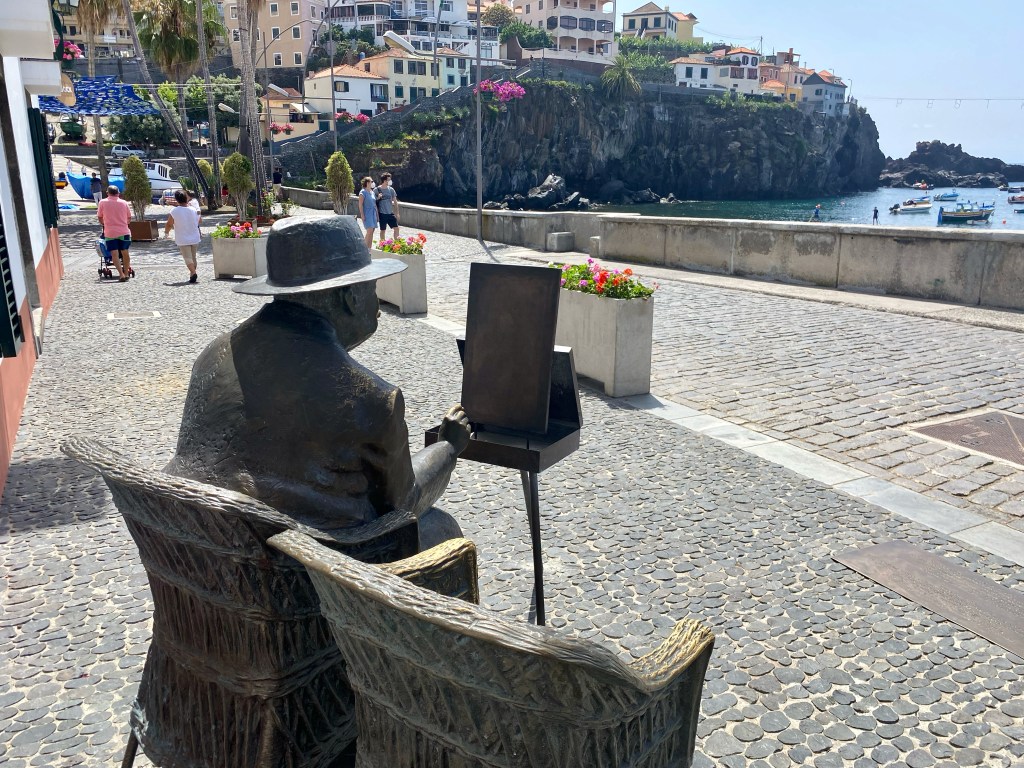
After indulging in a delicious lunch of Scabbard fish, I take a bus to Cabo Giaro – a viewpoint with a glass platform skywalk that is 589 meters above sea level – where I get amazing views of the island. Later in afternoon, I stroll along the small cobbled streets of the village and enjoy the relaxing atmosphere of the place – no wonder Churchill used to come here to paint.
After two weeks of long walks in the pebbled beaches of Funchal and strolls along its cobbled streets, boutiques and artistic old city, I spend the next three weeks travelling through other parts of the island. Each place has its own stamp and offers different experiences.
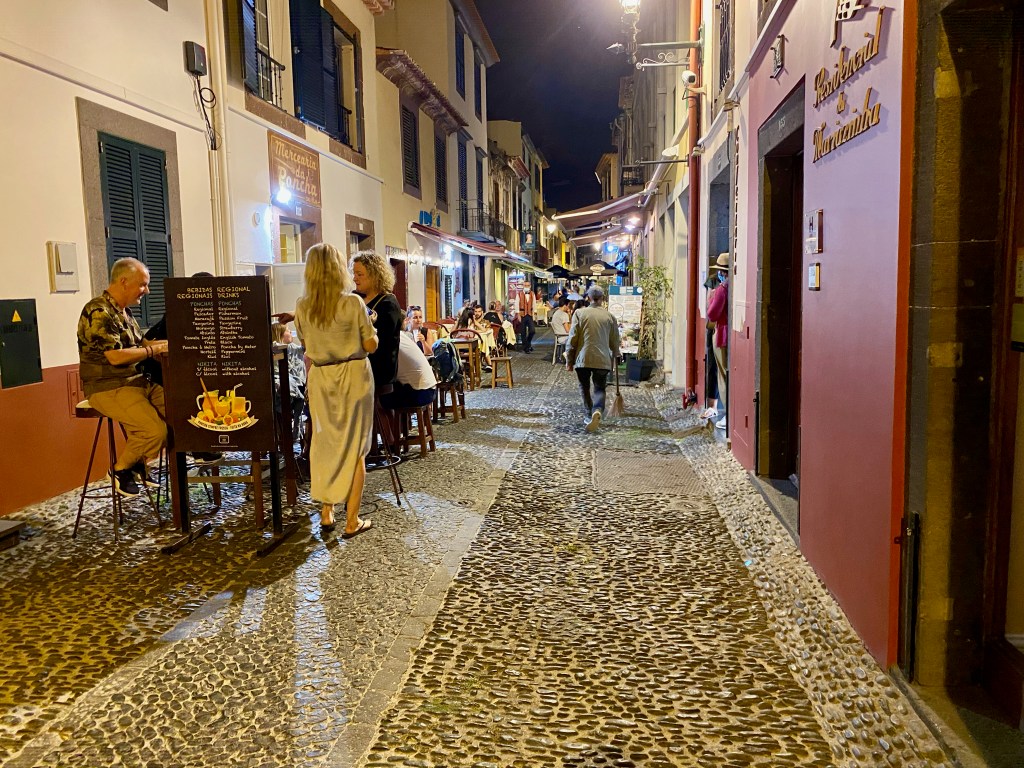
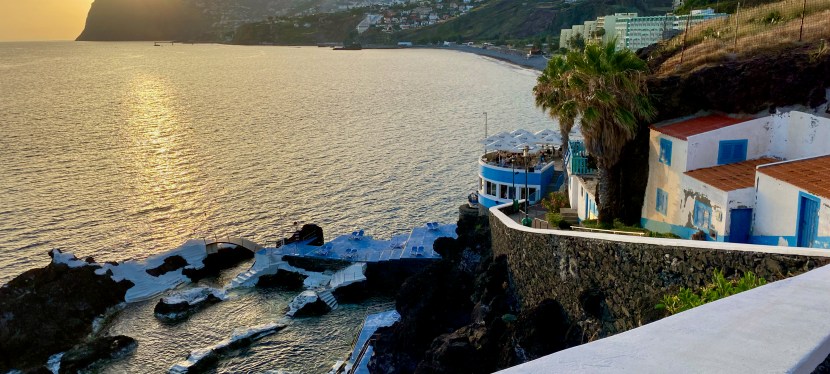
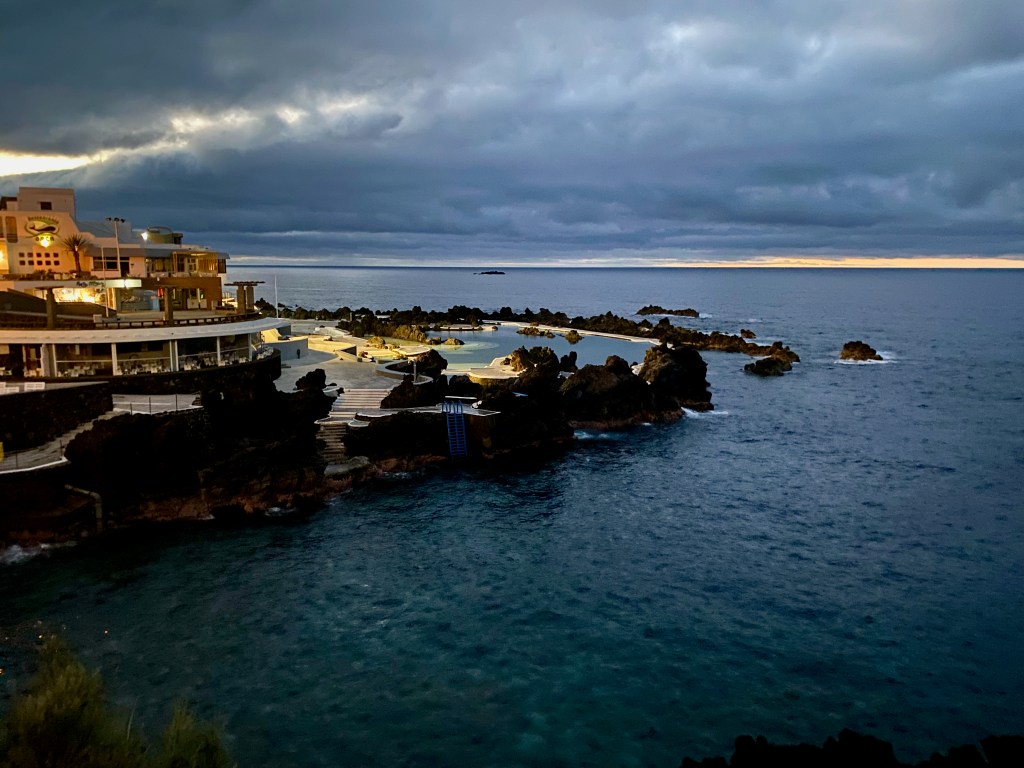
In Porto Moniz, I head to the famous natural lava pools. The water feels very cold, but after some contemplation, I decide to go in slowly. Once inside, it feels great and therapeutic. No wonder cold-water swimming is gaining a reputation for mental and physical health treatment.
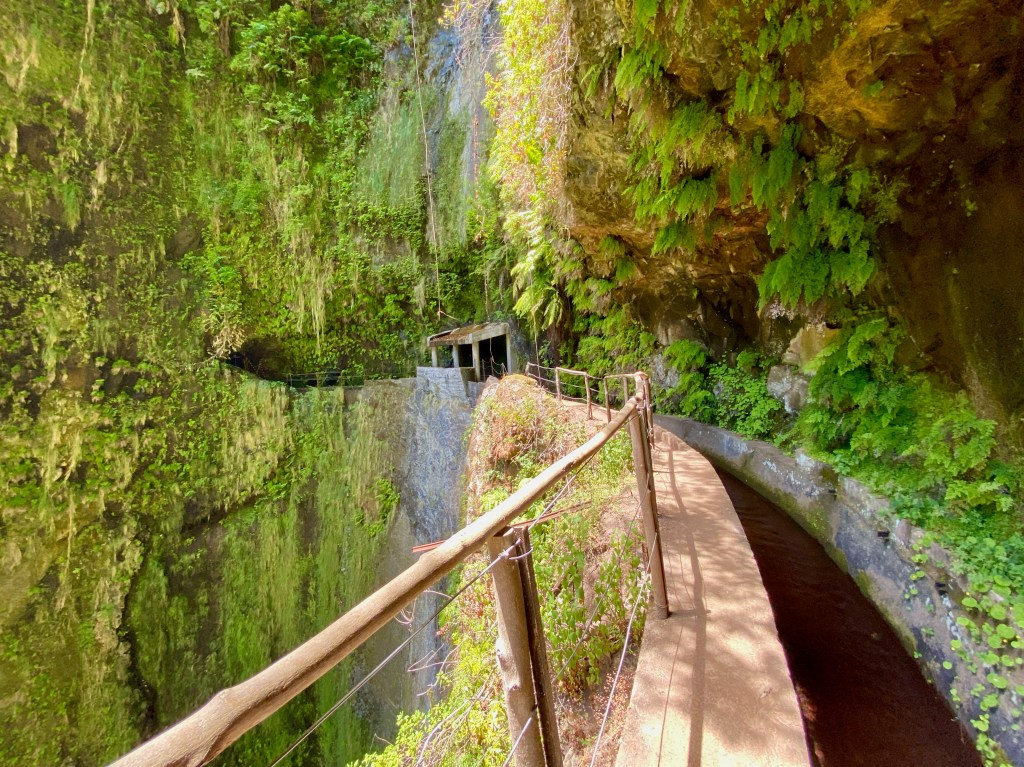
The next day, I set off to explore Levada da Rebeira Da Janela; one of the many Levadas – irrigation channel – walks that the island is famous for. The hike starts in the hills of Lamaceiros. “The path is safe but it’s narrow in some places, so make sure you stop when you take pictures or to look around”, the taxi driver warns me.
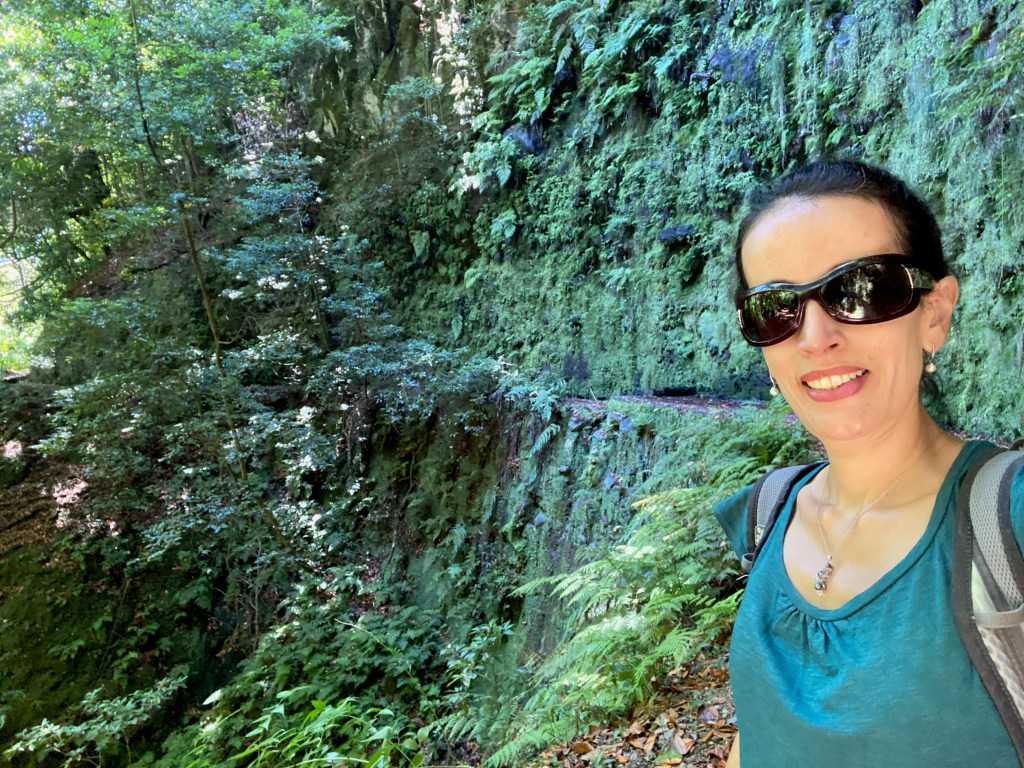
As I start walking, I watch the water flowing through the levada and the beautiful surrounding landscapes – flowers of different colours, trees of varying sizes and mountains. It feels quiet and serene – with very few other hikers around and the sound of water dropping from the top of the mountains – and a great place to truly connect with nature.
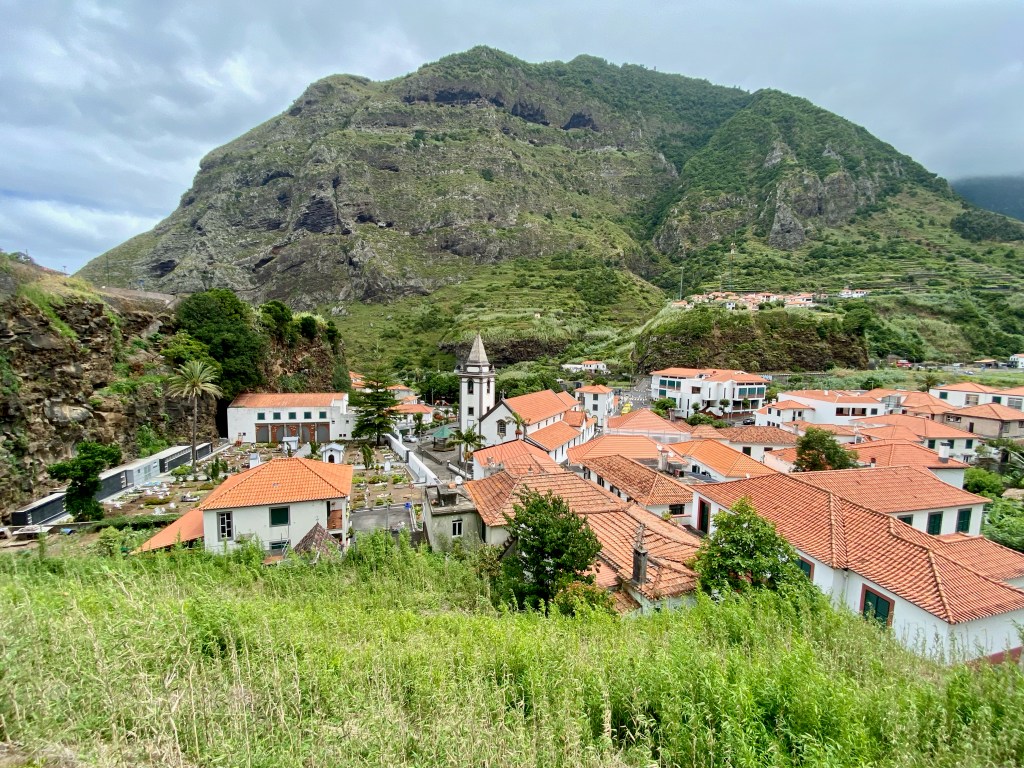
From Porto Moniz, I head to the rural villages of Sao Vicente and Santana. I’m told that these are the most typical Madeiran places I can visit. In the morning, I wake up to the sound of church bells ringing and chickens clucking. I don’t even need to check my phone for time, as the bells ring three times an hour between 7am and 10pm in most places.
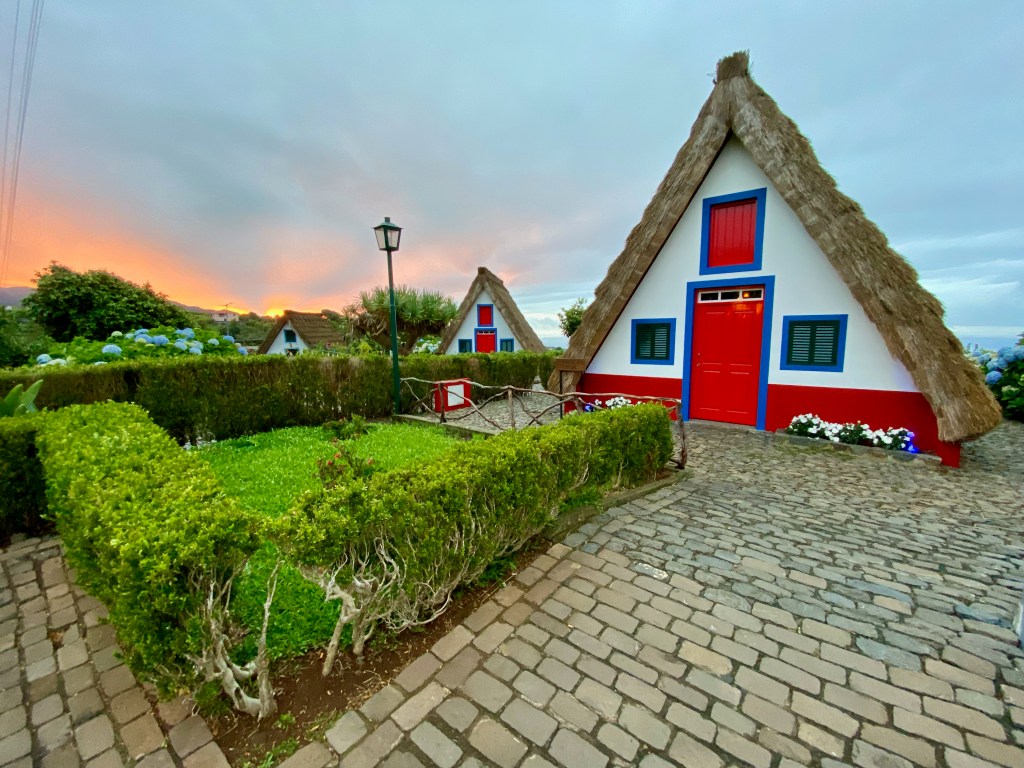
Late afternoons in Santana – once all the tour buses are gone – I go and sit behind the traditional Santana houses in the centre. From here, I get a pretty nice view of colourful fields whilst watching a family of farmers collect potatoes and corn. As the sun begins to settle, it leaves behind a mix of beautiful colours – different shades of blue, orange and grey.
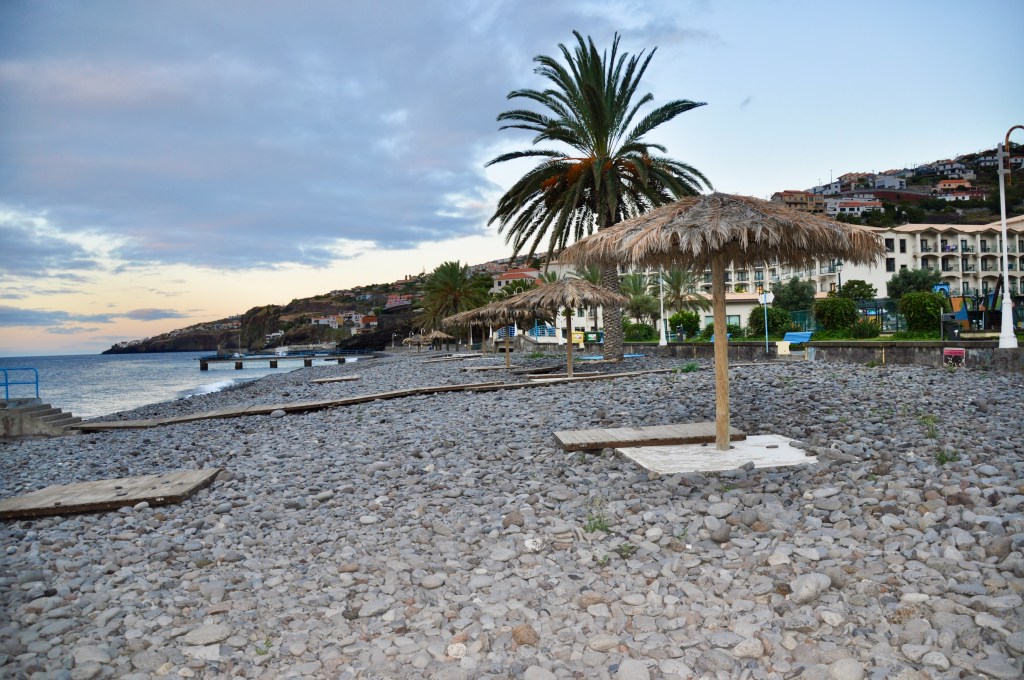
From Santana, I head down to Santa Cruz – a seaside town not too far away from Funchal. It’s a lot more touristy compared to Porto Moniz, São Vicente and Santana. Its seaside promenade is packed with locals and tourists alike enjoying a drink or a meal whilst watching planes taking off and landing. Not too far away from the seaside is the centre of the town, decorated with cobbled streets and Sao Salvador church. At lunch time, I sit outside in the Bilheteira restaurant facing the church and admiring this 17th century Gothic-Manueline architecture. Everyone is enjoying a nice lunch or drink with friends or family like the good old days with no covid restrictions.
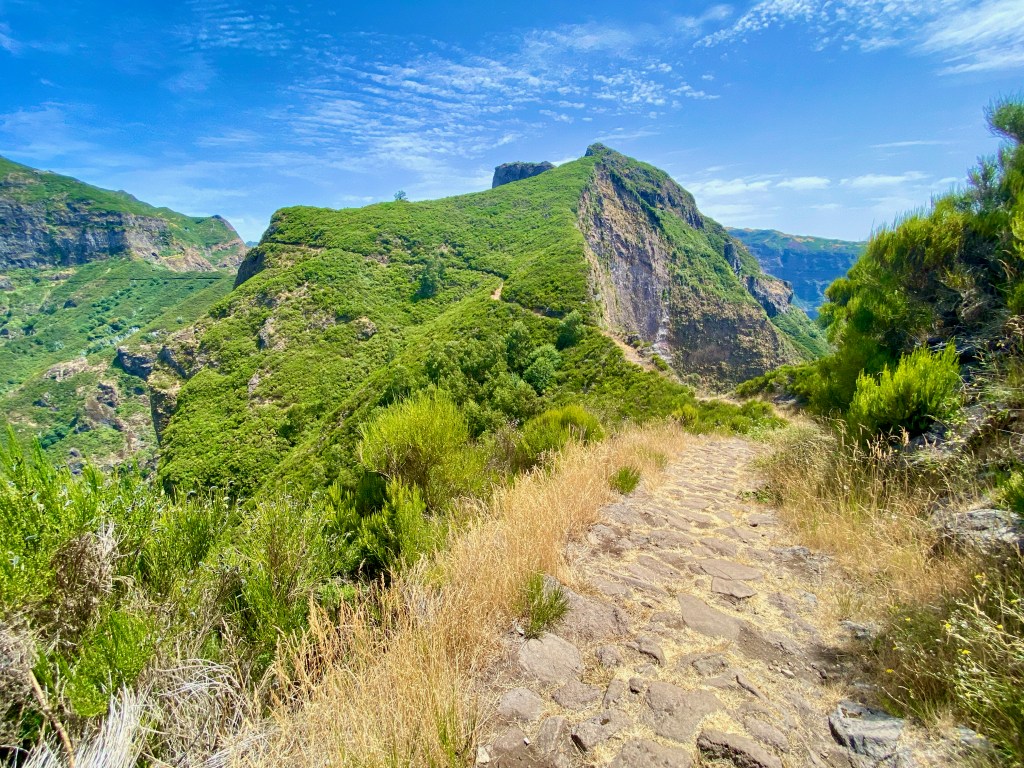
My last stop is Jardim da Serra – a rural village up in the hills of Camara do Lobos – where I enjoy the quietest moments of my life in Quinta da Serra hotel, which has beautiful lush gardens and a serene atmosphere. In the morning, I walk up to Boca da Corrida – quite a steep path especially in the heat of the day, but a great way to see how people start their day here; women cleaning their homes and hanging clothes in the terraces and men working in the fields. From Boca da Corrida, I hike part of the Caminho Real da Encumeada trail to Pico Grande, where I get rewarded with spectacular views of the central mountain chains – covered with tropical trees – and valleys surrounded by high mountains.
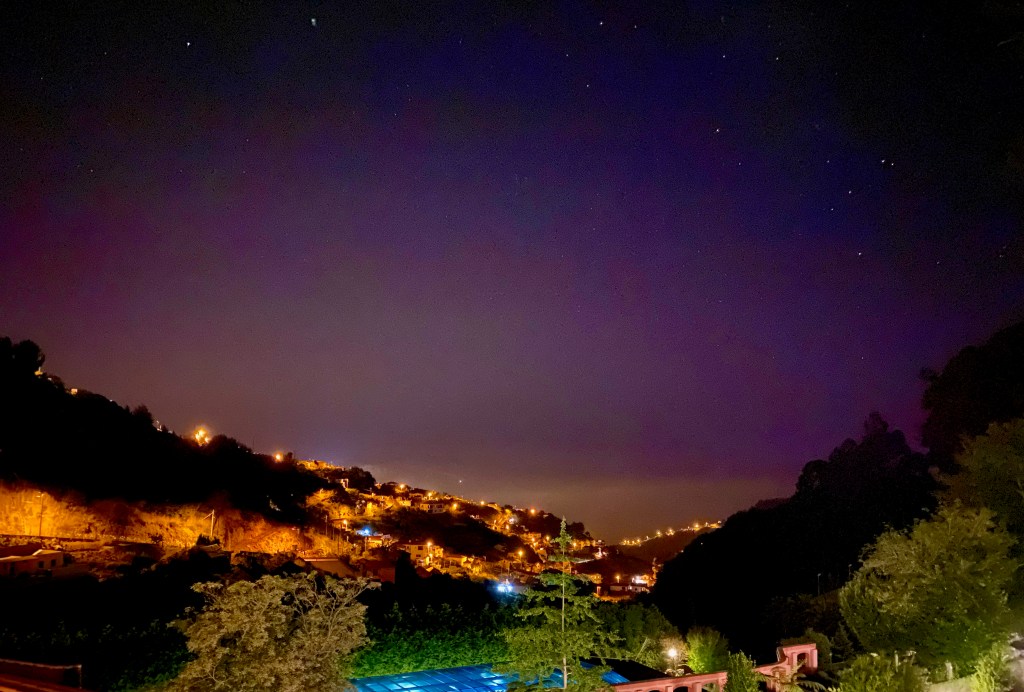
At night, the sky is as clear as the desert one. From the balcony of my room, I watch the sparkling stars and listen to the sound of locusts in the background. I wonder how can this island make me feel so far away from home and yet be so close. It’s easy to forget that I’m still in Europe, with everything that this tropical island offers – a perfect antidote to the lockdowns and covid restriction effects. One thing I discovered is that the island is great not only for recovering, but also for reenergising once’s soul and body with fresh air, healthy food and all sorts of activities one can do. It’s a place for everyone – a heaven for hikers, food lovers and history enthusiasts.
 DZ Gallivanter