
The healing island – Between the ocean and the hills

On a hot summer day, sitting in the middle of a lush garden surrounded by colourful plants and tropical trees, I watch bees and butterflies moving from one flower to another. In the distance, I listen to the sound of chickens clucking, dogs barking and birds singing – a symphony of its own kind – whilst enjoying a fresh breeze brushing my face. This is exactly how I pictured my escape to recover from the lockdown and the whole Covid situation, and my choice of destination couldn’t be any better.
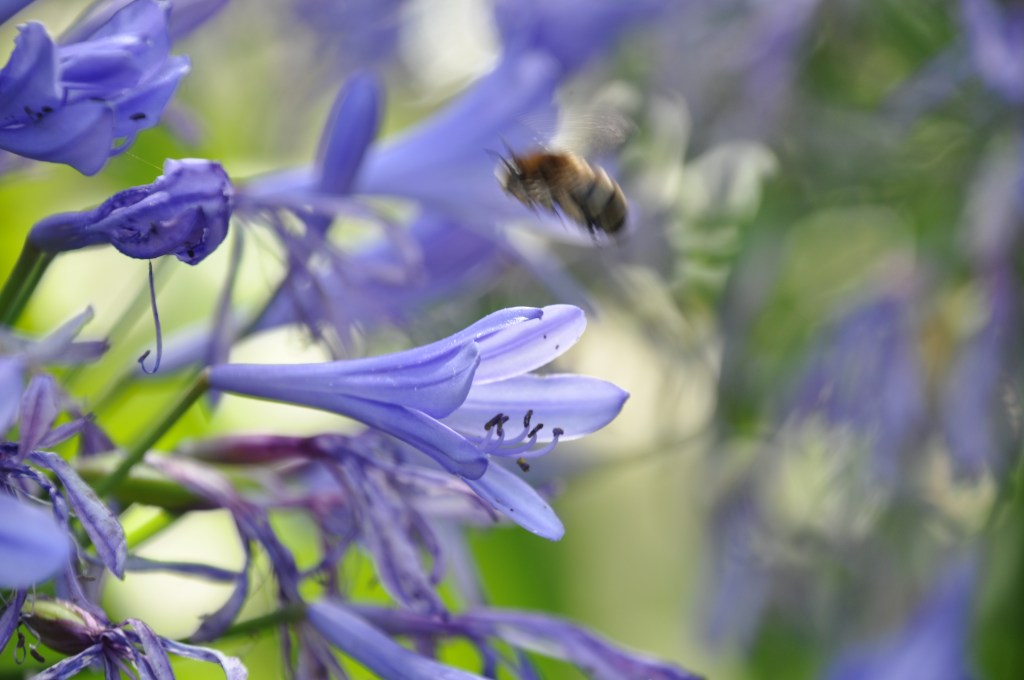
Jardim Da Serra – A bee moving from one flower to another

Madeira is an autonomous region of Portugal that’s closer to the northwest of Africa than the southwest of Europe. Its small size, summer climate all year round and diverse natural landscapes make it a perfect European escape that can be explored easily. 

According to history, back in the 19th and 20th centuries, doctors used to recommend the island’s good air and landscapes to aristocrat patients diagnosed with Tuberculosis. I’m curious to see if the island still has those healing effects – although this time for people to recover from the effects of lockdowns and Covid restrictions.

Its charm starts to attract me as soon as I spot this small drop in the Atlantic Ocean getting bigger as the plane starts to land. Surrounded by the dark blue ocean hugging its shoreline and covered with red-roofed hills and lush green mountains, I know from this moment that I made a great decision coming here.
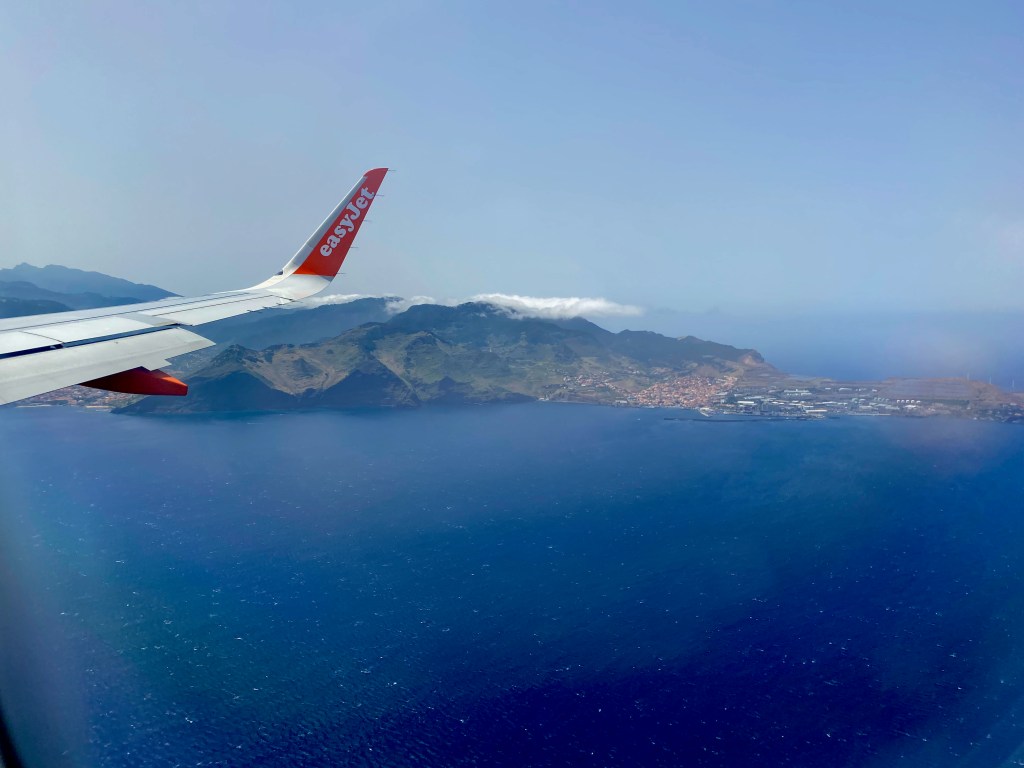
Plane approaching the island of Madeira

My journey in Madeira starts in its capital Funchal – a historic city that dates back to over 500 years ago as witnessed by its grey and white dominated architecture. I wake up just before sunrise and go for a run along the waterfront promenade. Many people are already out running, walking or having their espressos in the palm-shaded coffee kiosks. I run to Pontinha, where I watch the ferry leaves to Porto Santo.
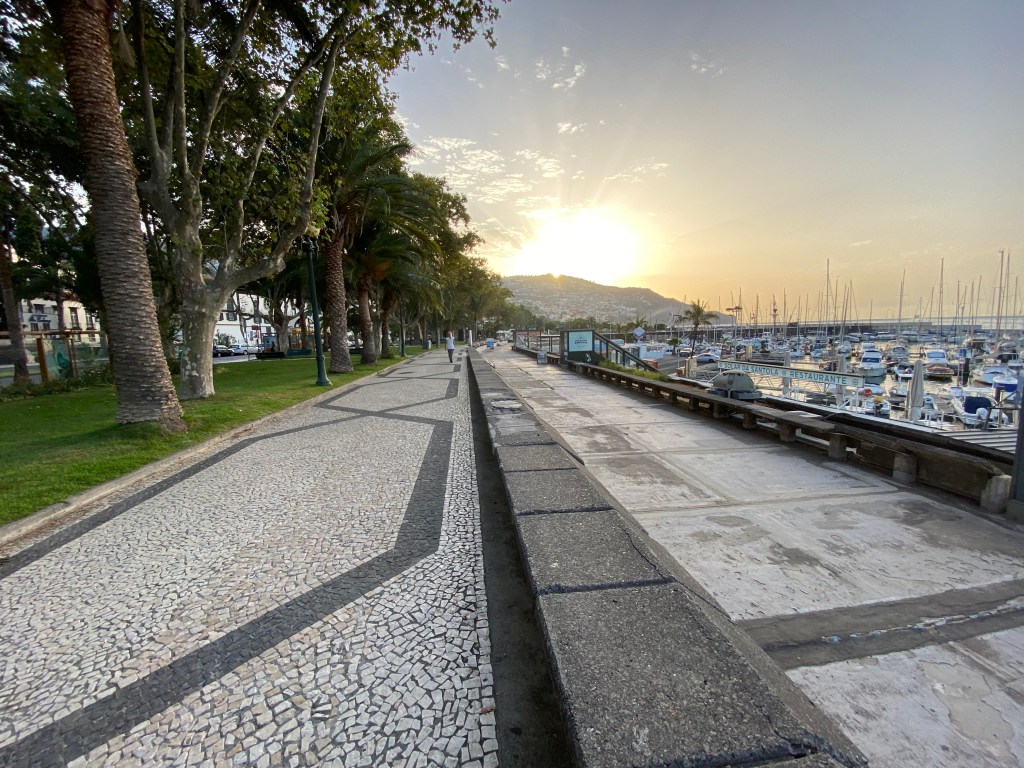
Funchal – Waterfront promenade

On the way back, the sun starts to rise from behind the hills, turning the sky into a blanket of orange, grey and blue decorated with drops of white clouds. I stop by the famous Mercado dos Lavradores to grab a coffee, some fruits and fresh fish for later on. Despite being the capital, Funchal is relatively quiet – slightly busier compared to the rest of the island, but one can still feel the slow movement of the day and the relaxed lifestyle.
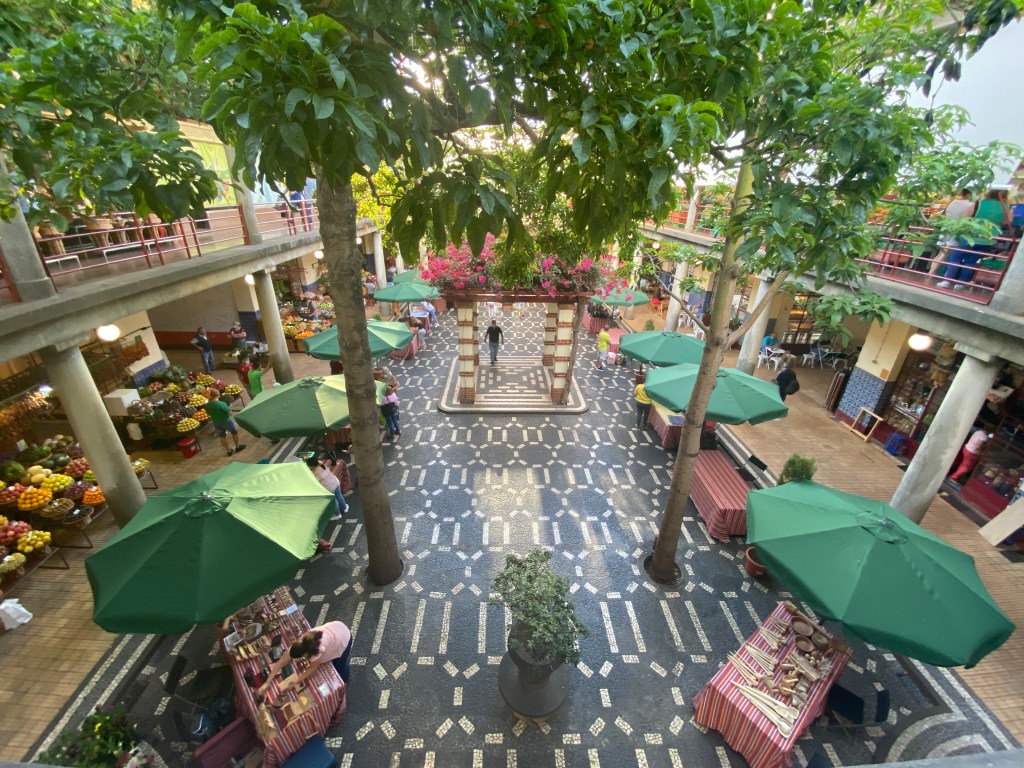
Funchal – Mercado dos Lavradores

The next day, I make my way to Camara de Lobos – a charming fishing village next to Funchal. I walk along a picturesque path, from the Lido area in Funchal – where my hotel is – to Câmara de Lobos. On the way, I pass by the famous Praia Formosa, a beach like no other I’ve seen before – black sand that glitters under the sunlight with black and shiny stones scattered along the shoreline. Few people seem to venture into the cold water of the ocean and the rest are happy to sunbathe and enjoy the warmth of the morning sun.
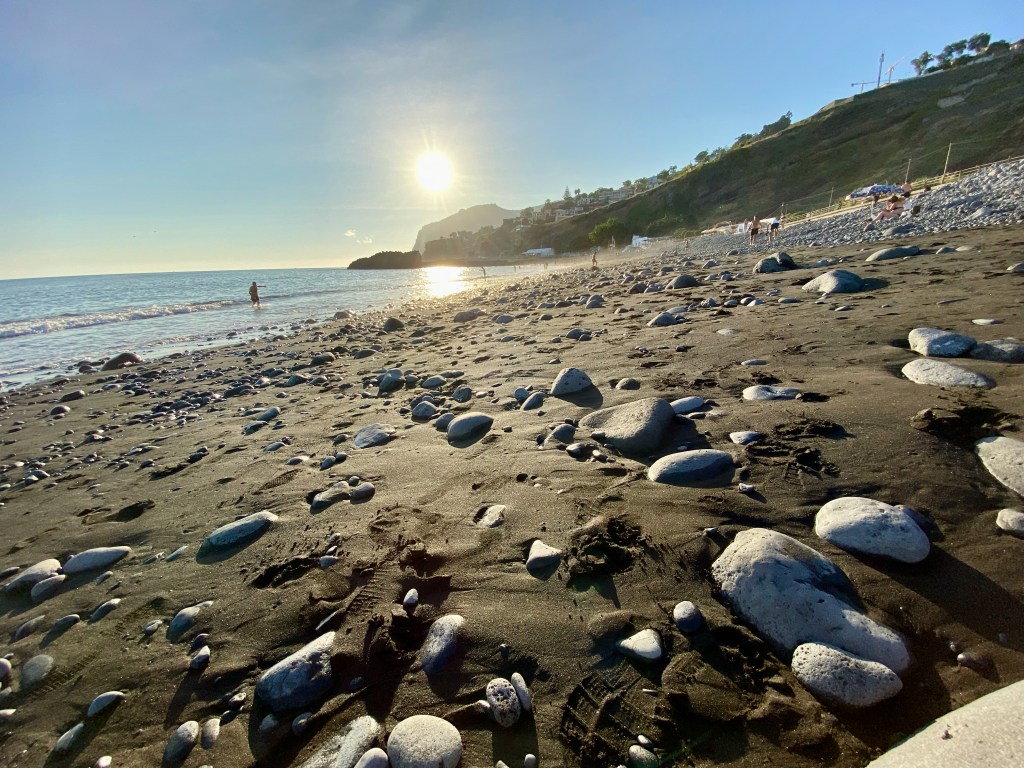
Praia Formosa – on the way from Funchal to Câmara de Lobos

An hour later, I arrive to Churchill Bay in Câmara de Lobos. The bay is filled with colourful finishing boats rocking side to side in the harbour, and overlooking a hill dotted with red-roofed houses. People are enjoying their lunch or a drink in the waterfront restaurants and coffee shops. A group of locals are playing cards on the side.
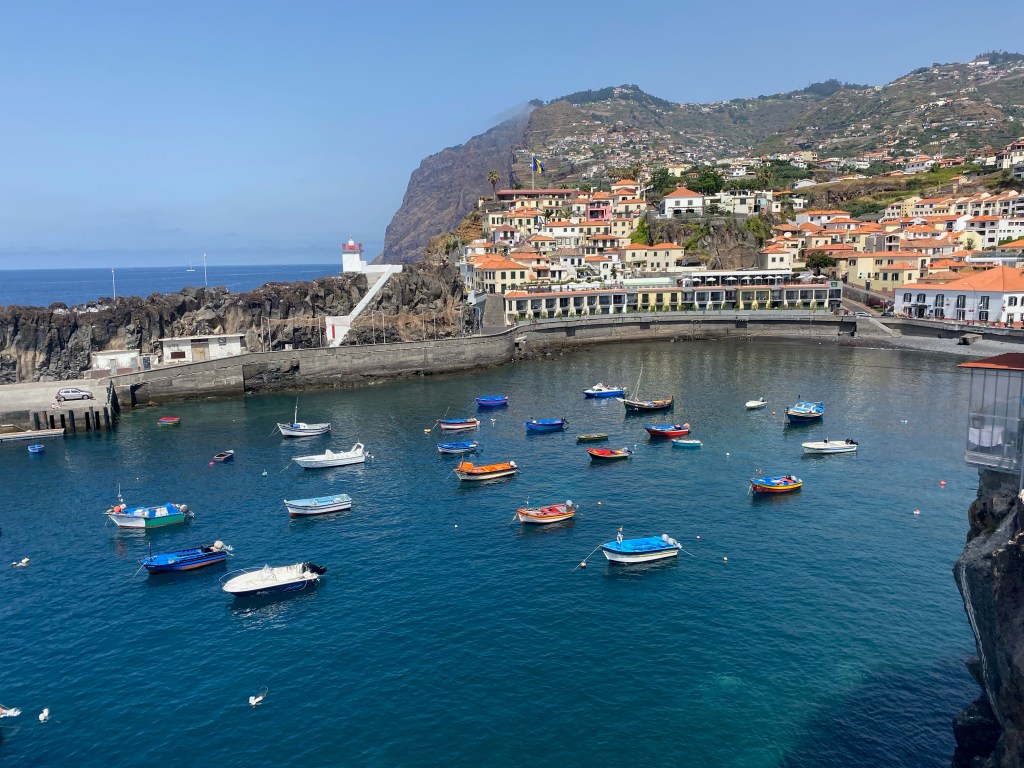
Câmara de Lobos bay

After indulging in a delicious lunch of Scabbard fish, I take a bus to Cabo Giaro – a viewpoint with a glass platform skywalk that is 589 meters above sea level – where I get amazing views of the island. Later in afternoon, I stroll along the small cobbled streets of the village and enjoy the relaxing atmosphere of the place – no wonder Churchill used to come here to paint.
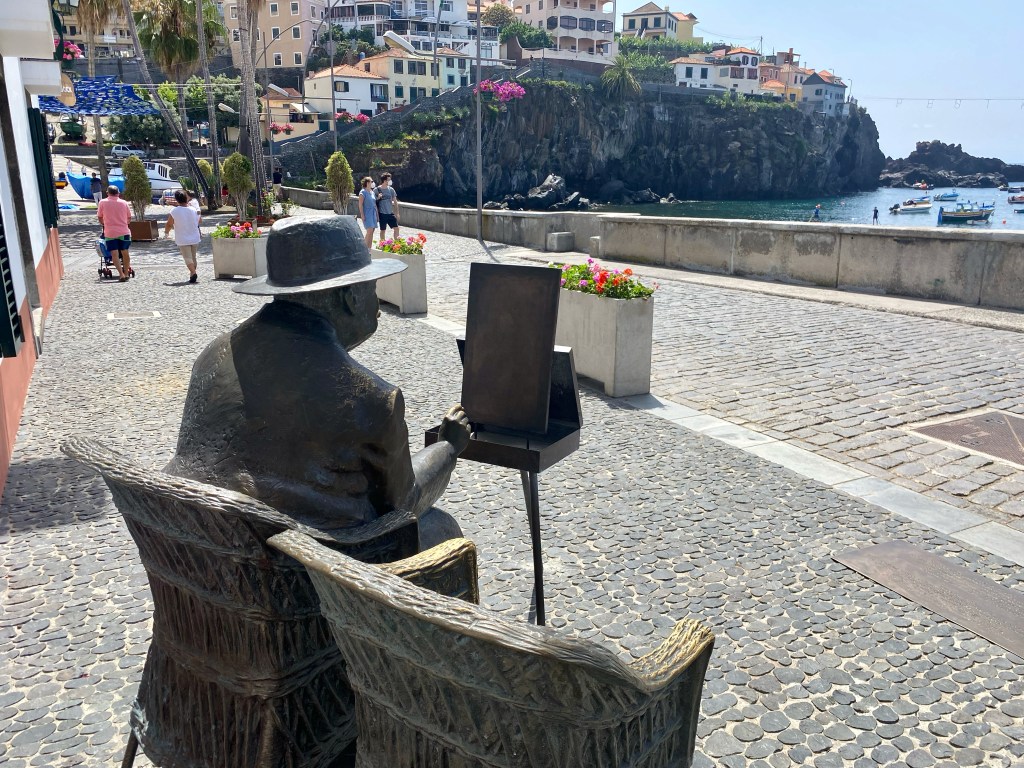
Câmara de Lobos – the spot where Churchill used to paint

After two weeks of long walks in the pebbled beaches of Funchal and strolls along its cobbled streets, boutiques and artistic old city, I spend the next three weeks travelling through other parts of the island. Each place has its own stamp and offers different experiences. 
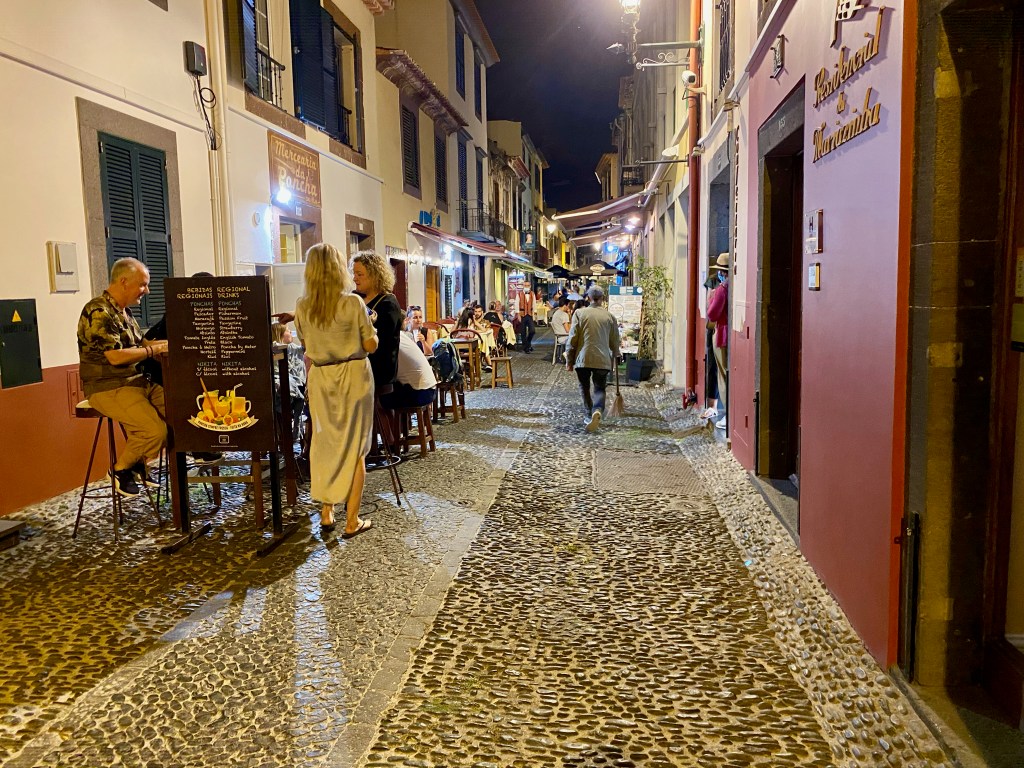
The Old Town of Funchal

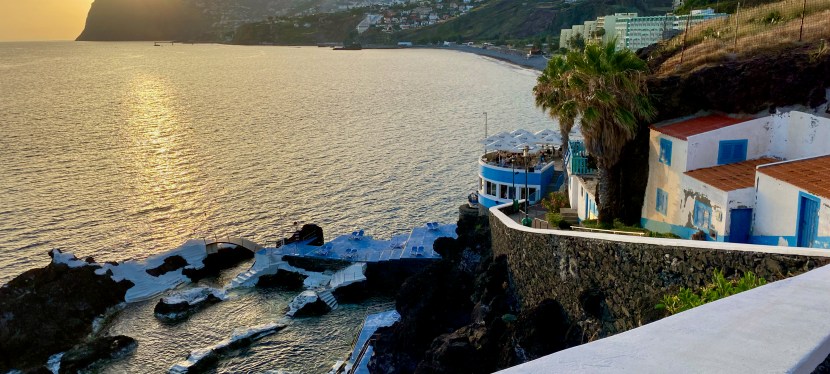
In Porto Moniz, I head to the famous natural lava pools. The water feels very cold, but after some contemplation, I decide to go in slowly. Once inside, it feels great and therapeutic. No wonder cold-water swimming is gaining a reputation for mental and physical health treatment.
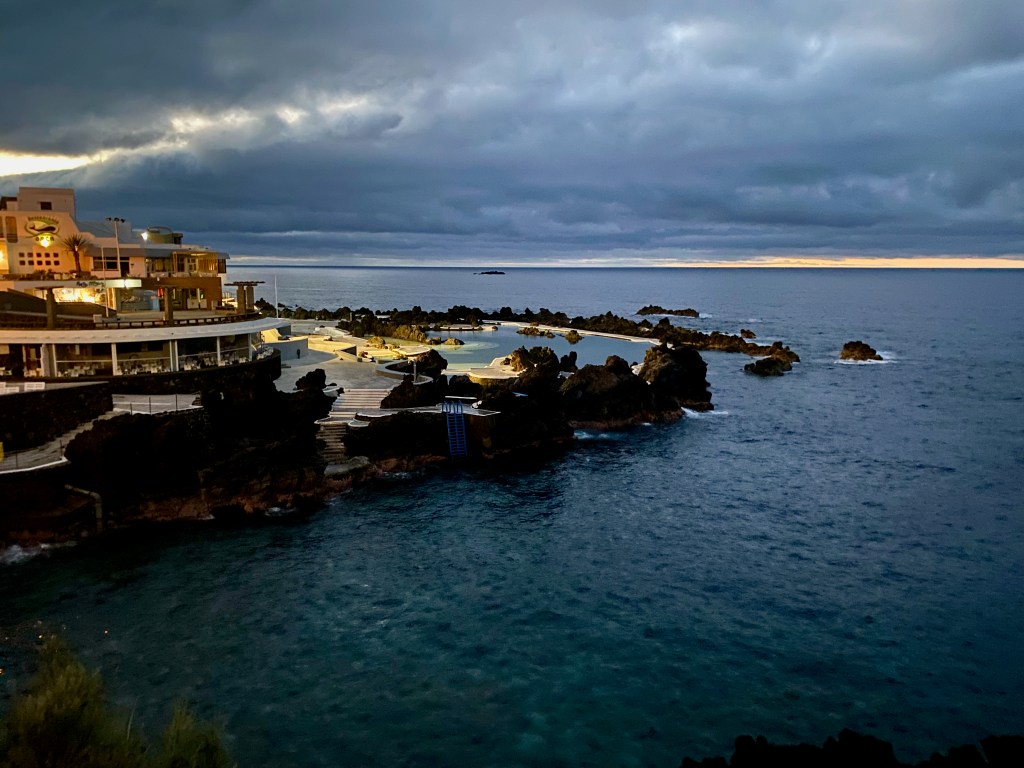
Porto Moniz at dusk – view of the natural lava pools

The next day, I set off to explore Levada da Rebeira Da Janela; one of the many Levadas – irrigation channel – walks that the island is famous for. The hike starts in the hills of Lamaceiros. “The path is safe but it’s narrow in some places, so make sure you stop when you take pictures or to look around”, the taxi driver warns me.
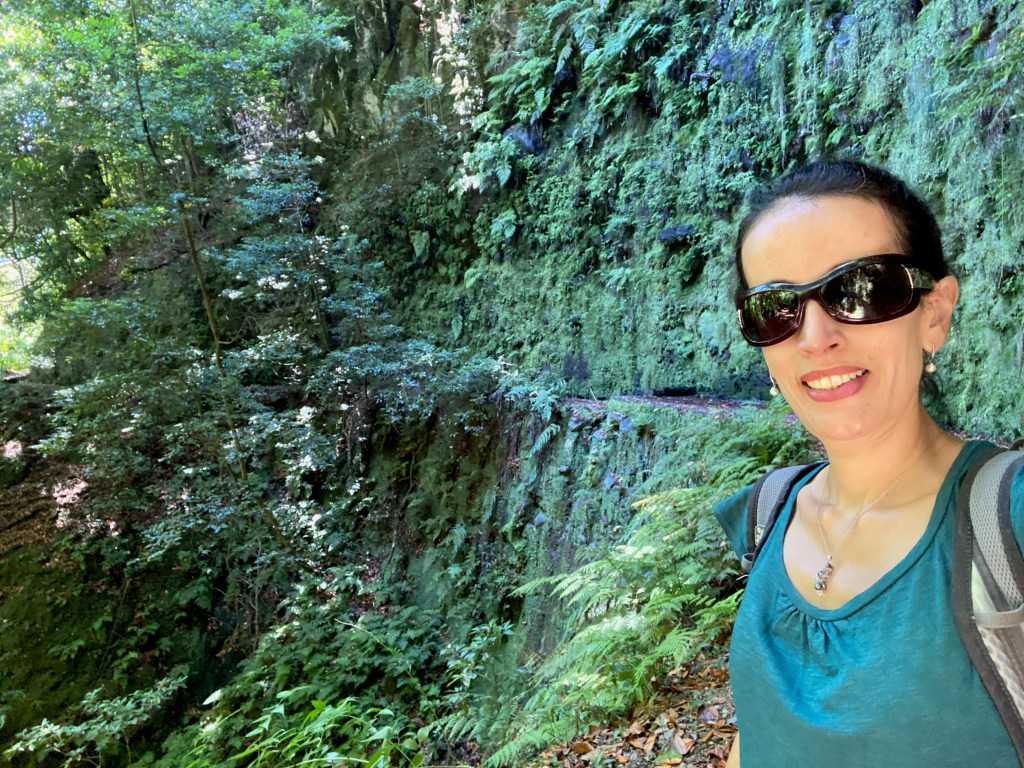
On a hike in the Levada da Rebeira Da Janela

As I start walking, I watch the water flowing through the levada and the beautiful surrounding landscapes – flowers of different colours, trees of varying sizes and mountains. It feels quiet and serene – with very few other hikers around and the sound of water dropping from the top of the mountains – and a great place to truly connect with nature.
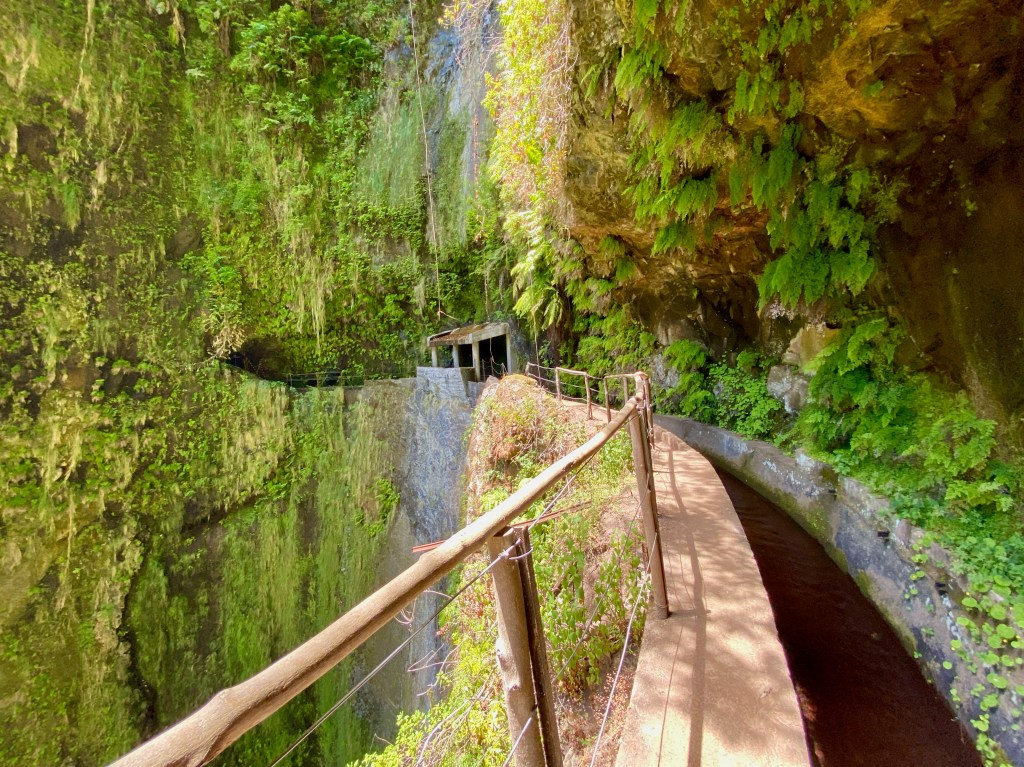
Levada da Rebeira Da Janela

From Porto Moniz, I head to the rural villages of Sao Vicente and Santana. I’m told that these are the most typical Madeiran places I can visit. In the morning, I wake up to the sound of church bells ringing and chickens clucking. I don’t even need to check my phone for time, as the bells ring three times an hour between 7am and 10pm in most places.
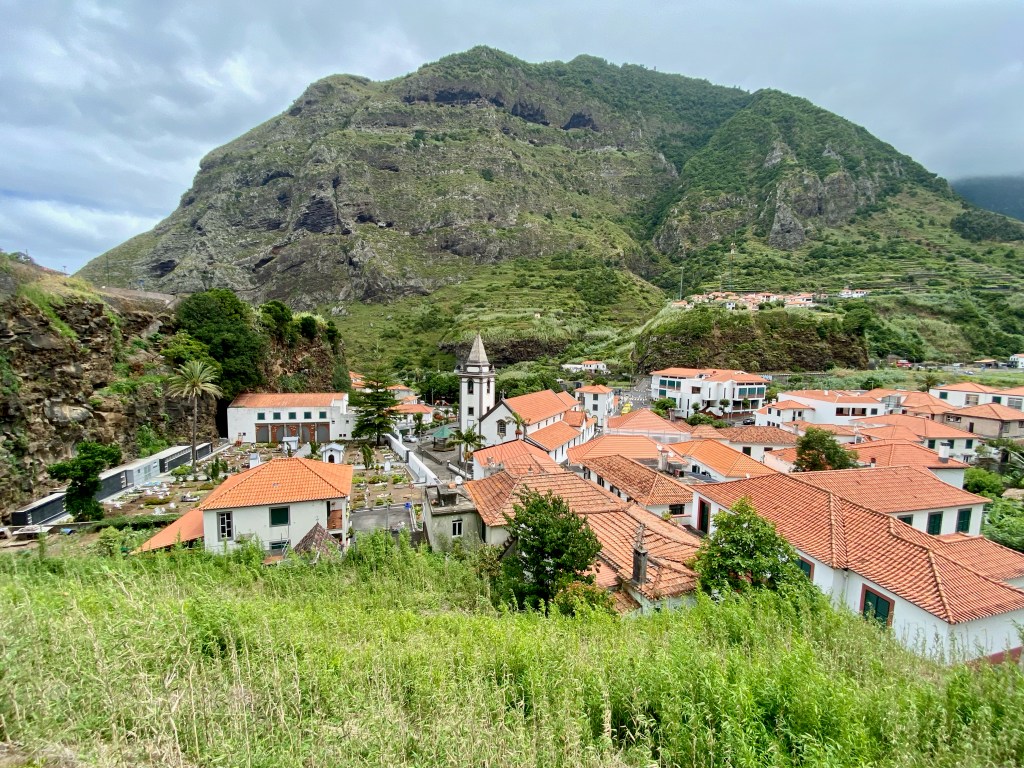
São Vicente – a small seaside village in the north of Madeira

Late afternoons in Santana once all the tour buses are gone – I go and sit behind the traditional Santana houses in the centre. From here, I get a pretty nice view of colourful fields whilst watching a family of farmers collect potatoes and corn. As the sun begins to settle, it leaves behind a mix of beautiful colours – different shades of blue, orange and grey.
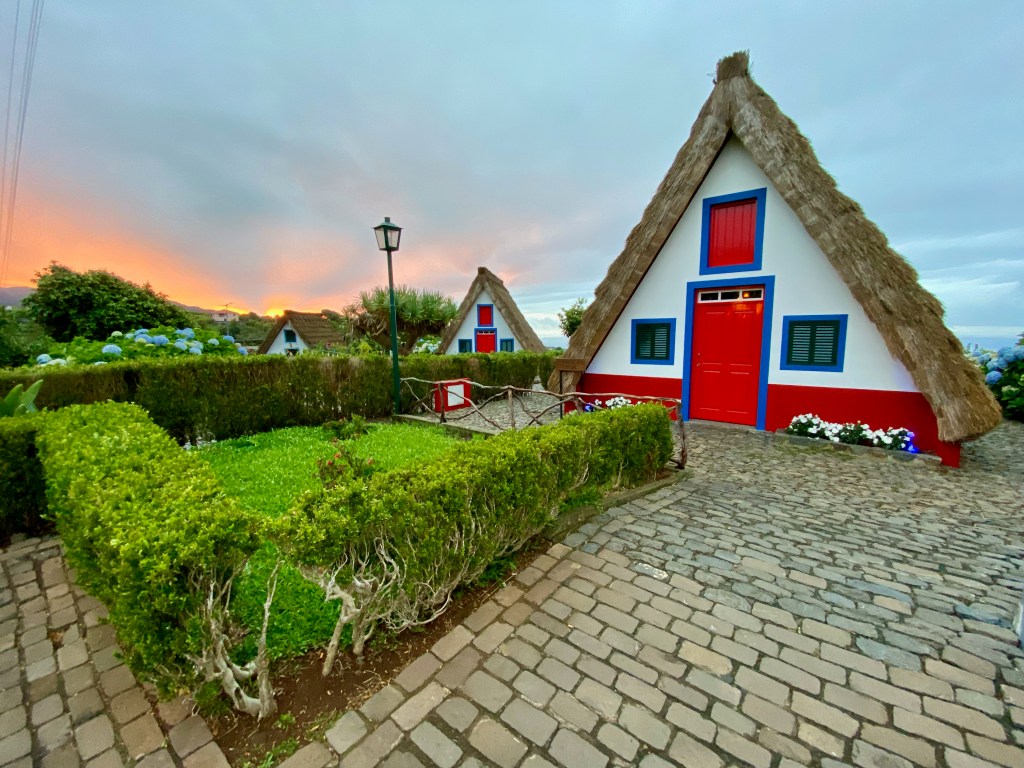
Santana – typical Santana houses at the Centre for Traditional Santana Houses

From Santana, I head down to Santa Cruz – a seaside town not too far away from Funchal. It’s a lot more touristy compared to Porto Moniz, São Vicente and Santana. Its seaside promenade is packed with locals and tourists alike enjoying a drink or a meal whilst watching planes taking off and landing. Not too far away from the seaside is the centre of the town, decorated with cobbled streets and Sao Salvador church. At lunch time, I sit outside in the Bilheteira restaurant facing the church and admiring this 17th century Gothic-Manueline architecture. Everyone is enjoying a nice lunch or drink with friends or family like the good old days with no covid restrictions.
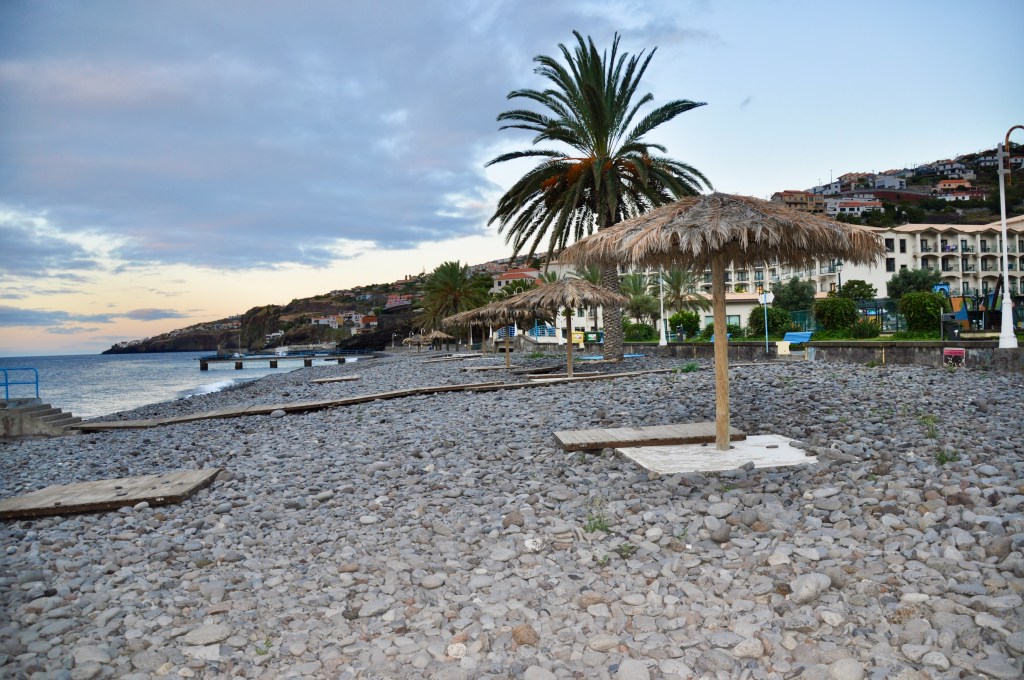
Santa Cruz – a seaside town in the east of the island

My last stop is Jardim da Serra – a rural village up in the hills of Camara do Lobos – where I enjoy the quietest moments of my life in Quinta da Serra hotel, which has beautiful lush gardens and a serene atmosphere. In the morning, I walk up to Boca da Corrida – quite a steep path especially in the heat of the day, but a great way to see how people start their day here; women cleaning their homes and hanging clothes in the terraces and men working in the fields. From Boca da Corrida, I hike part of the Caminho Real da Encumeada trail to Pico Grande, where I get rewarded with spectacular views of the central mountain chains – covered with tropical trees – and valleys surrounded by high mountains.
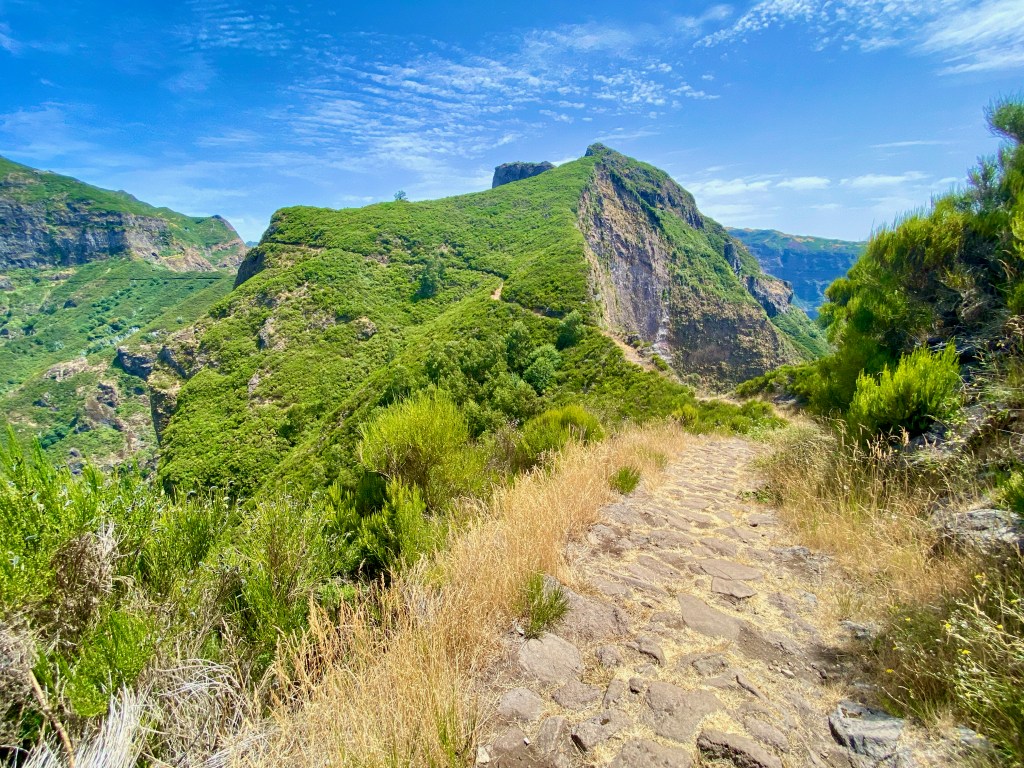
Caminho Real da Encumeada trail – hiking towards Pico Grande

At night, the sky is as clear as the desert one. From the balcony of my room, I watch the sparkling stars and listen to the sound of locusts in the background. I wonder how can this island make me feel so far away from home and yet be so close. It’s easy to forget that I’m still in Europe, with everything that this tropical island offers – a perfect antidote to the lockdowns and covid restriction effects. One thing I discovered is that the island is great not only for recovering, but also for reenergising once’s soul and body with fresh air, healthy food and all sorts of activities one can do. It’s a place for everyone – a heaven for hikers, food lovers and history enthusiasts.
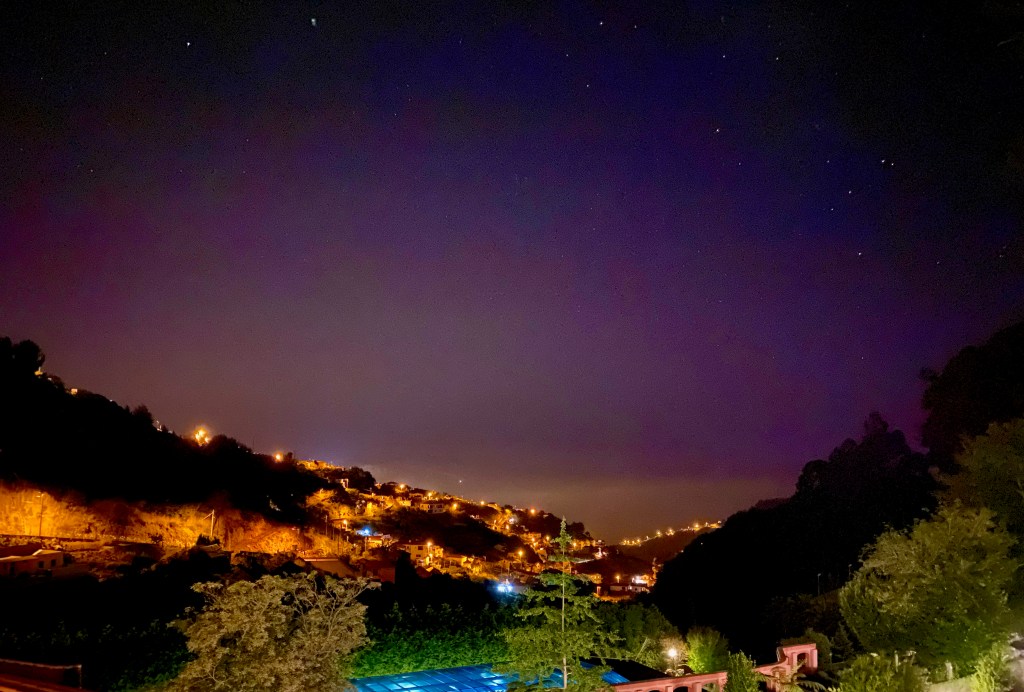
Jardim da Serra – view from the Quinta da Serra hotel over Camara de Lobos

Dear Corona!

I want to write the letter to say, thank you! Thank you for coming to our lives and for making 2020 the most memorable year for generations to come – one hopes!

Thank you for making this year almost as memorable as the black decade of Algeria’s civil war!

Thank you for making 2020 even more memorable than the year when Muslims were confused with psychos!

Thank you for making us feel that the 2008 financial crisis was just a small storm and that the big tornado came 12 years later!

Thank you for making us understand the importance of freedom and independence!

Thank you for not discriminating against us and for reaching out to the poor and the rich, the black and the white, the young and the old, the women and the men!

Thank you for making us realise that life and freedom can be taken away from us at any time and anywhere!

Thank you for teaching us that face covers are not as scary after all! They are worn out of respect for others or for the almighty god!

Without you, I wouldn’t have truly understood the meaning of being locked down like the people of Gaza!

Without you, I wouldn’t have seen people fighting over toilet paper like the starving people of Yemen and Somalia fighting over food!

Without you, I wouldn’t have understood what it meant to be locked away from the homeland and close family like the refugees of Palestine, Afghanistan, Syria, Myanmar, Iraq and many many other countries.

Without you, I wouldn’t have understood the true meaning of freedom of movement and that money isn’t always the solution to problems!

Without you, I wouldn’t have truly understood how an invisible little thing can destroy the rich and the powerful!

So thank you again! I just hope that your lessons will be cherished and will educate the ignorant, the humble and the powerful, and open our hearts and eyes to those in need!

Yours truly,

A Corona victim

Dubai Metro: Where are all the women?!

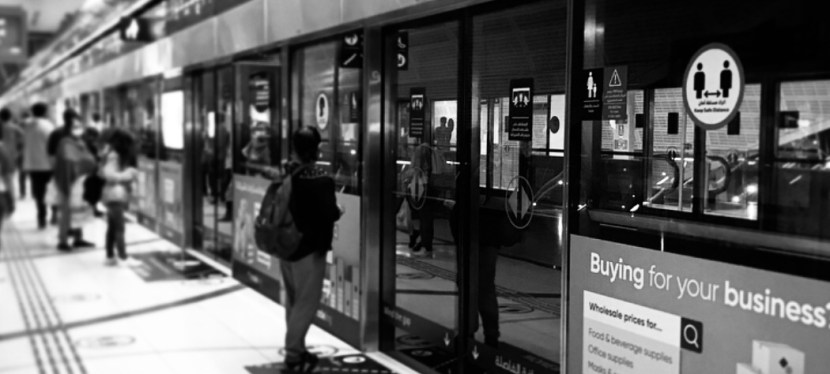
It’s just after 6pm on a Saturday evening. I’m standing in the middle of a packed Metro carriage going from Dubai Marina to Burj Khalifa. I suddenly realise that there isn’t a single woman in my compartment or even in the next one. I start to wonder if women actually take the Metro here or if it’s just a coincidence that I’m travelling at a time when no other woman in Dubai decided to take this train! What are the odds?!

I carry on with my journey as normal. No one says anything to me, which is a good sign. I get the odd stares from now and then, which makes me feel uncomfortable. Someone offers me his seat, which I kindly decline, as funnily enough the seat has a “Do not use” sign due to Covid-19 restrictions.

I finally get to my destination and on the way down the escalator, I see few women. What a relief! Women do take the Metro! It’s just that there aren’t many of them and by coincidence they were all in a different carriage. After all, the population density here is quite small and it’s likely that there are more men than women.

Ok! I’m satisfied with the explanation that my brain has just produced. So, I carry on with my evening as normal – shopping, dinning and enjoying the water fountain shows next to Burj Khalifa.

On my way back, I get on the last carriage of the Metro. Head down busy reading the news on my phone when I suddenly hear a female voice saying “Excuse me sir, you are in the wrong carriage. This is a women and children only carriage!”. Aha! I lift my head up and see the carriage full of women apart from the one guy, who seems to be a young British tourist. He blushes and disappears so quickly to the next carriage whilst mumbling some apologies.

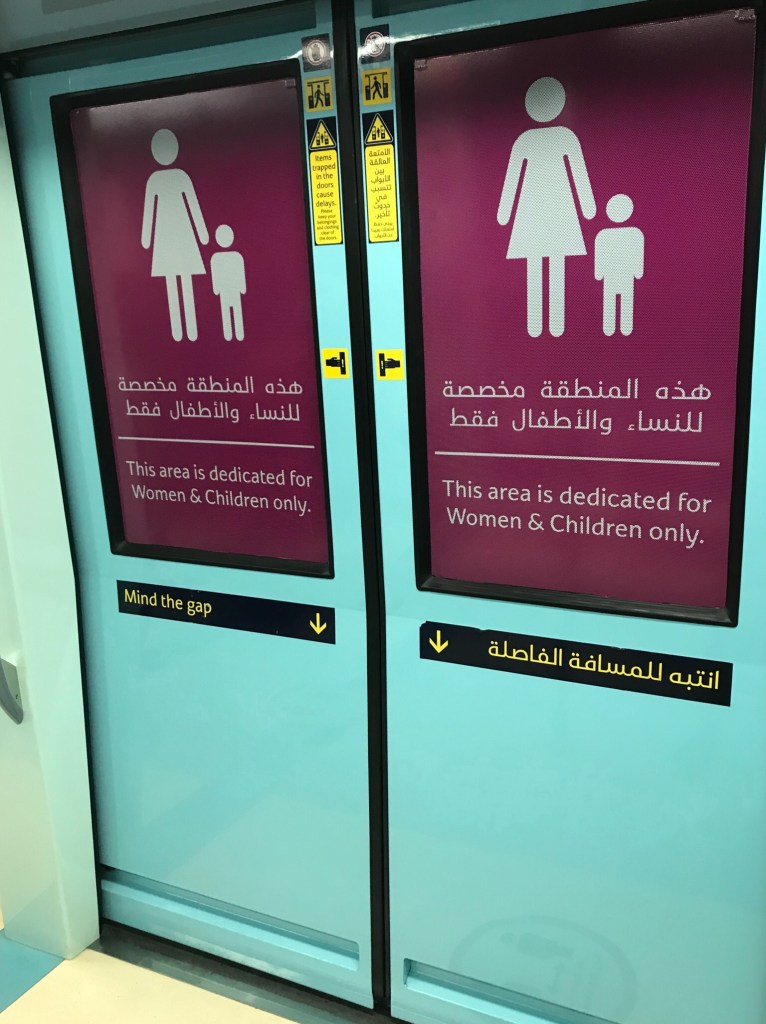
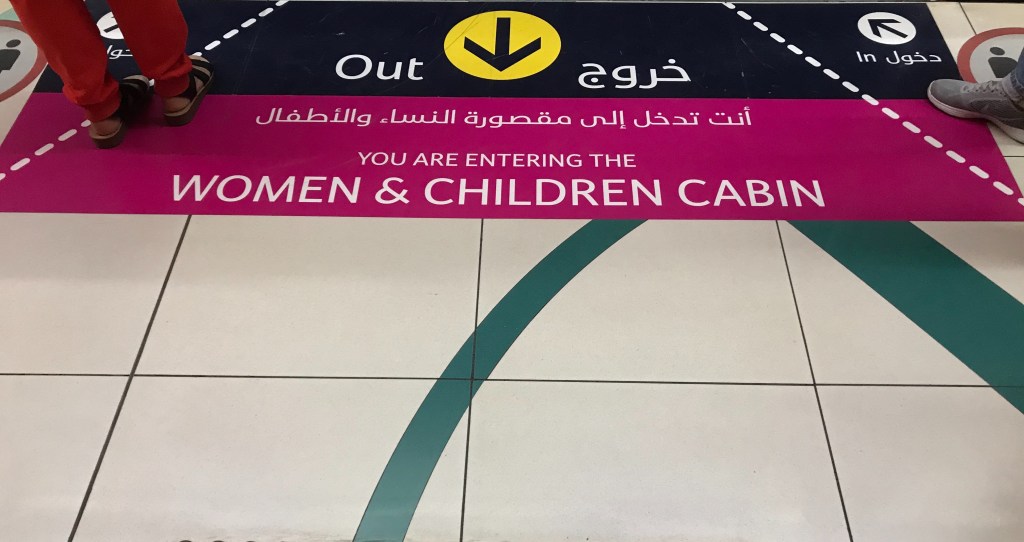
My dilemma has finally been resolved. It felt like finding water in the middle of the desert! Women do take the Metro in Dubai. It’s just that they prefer to use the female-only carriages, which were originally intended for use during rush hour.

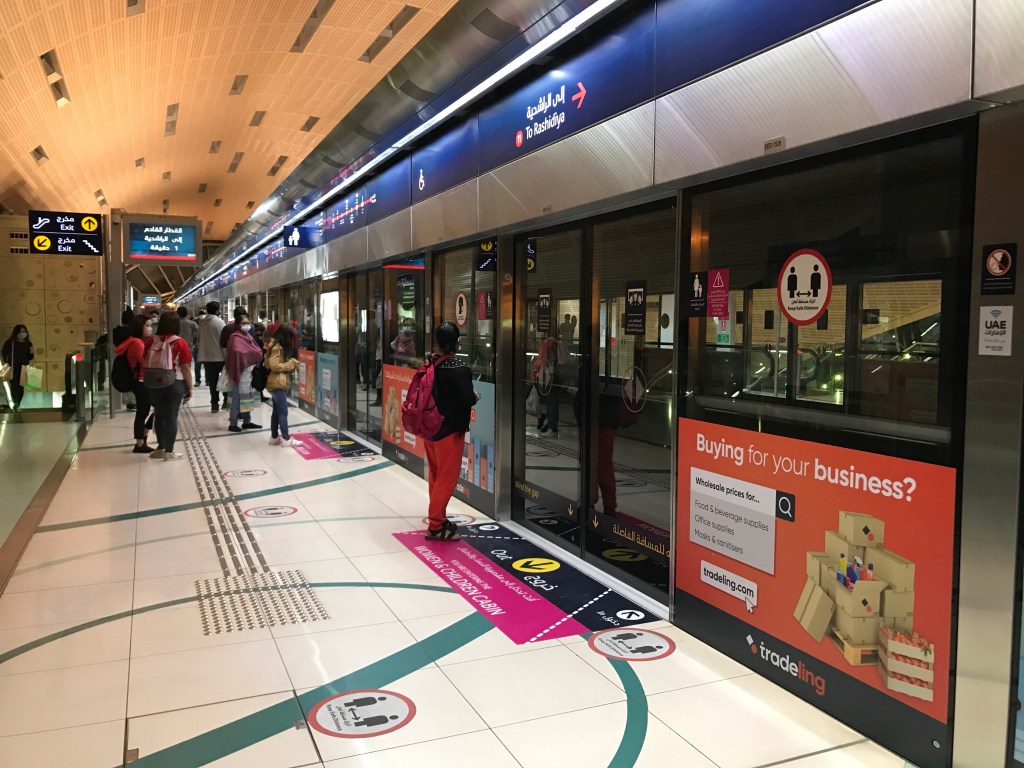
Due to their popularity, they became permanent, which seems to be a welcome move as you hardly ever see any woman on the mixed carriages. They are well posted with pink signs – at least for those who lift their heads up and look around!

As much as I’m relieved to know that I wasn’t the only woman on the train and that I was just on the wrong part of it, I wonder if the segregation is actually a good idea and why it’s so popular!

Whatever the reasons, I have to admit that I felt more comfortable in the female-only carriage – at least you don’t get the odd stares. One thing for sure though is, if you’re still single in Dubai, the Metro is definitely not the place to meet your future partner!

Dubai Metro

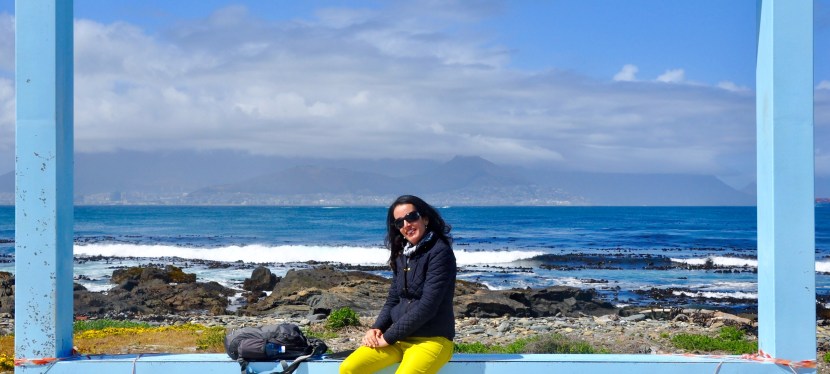
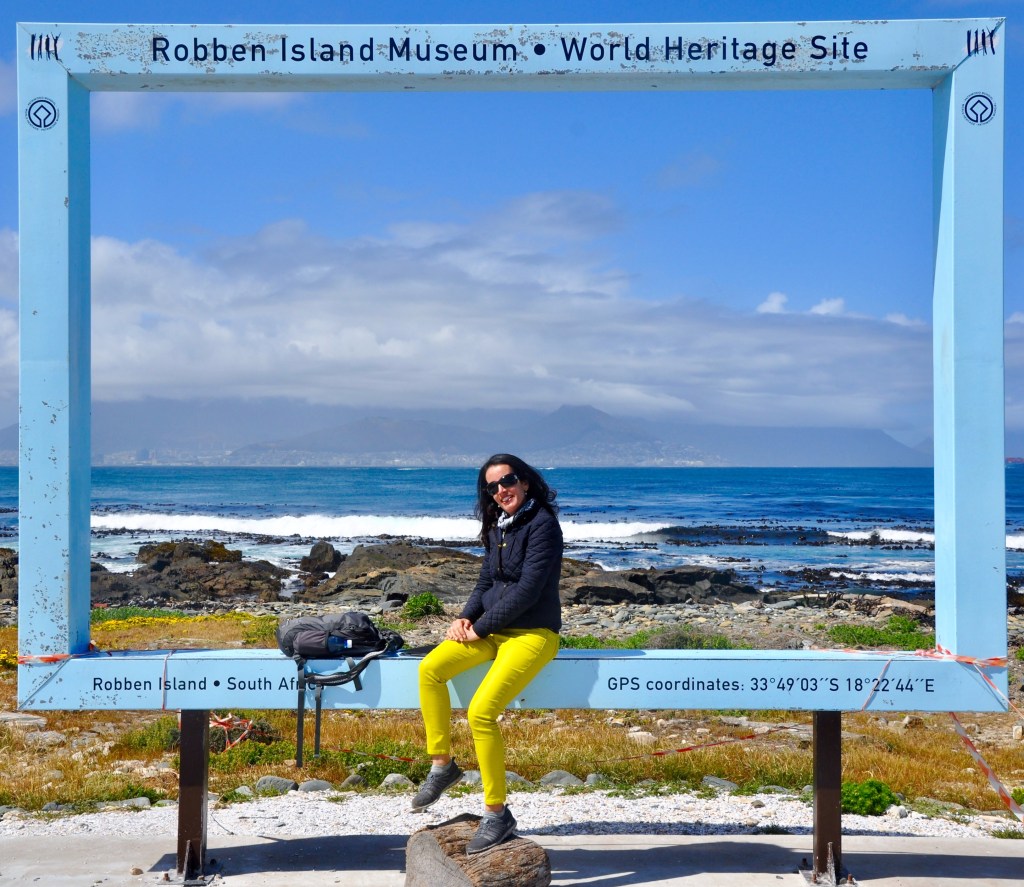
Robben Island – South Africa’s symbol of freedom and foregiveness

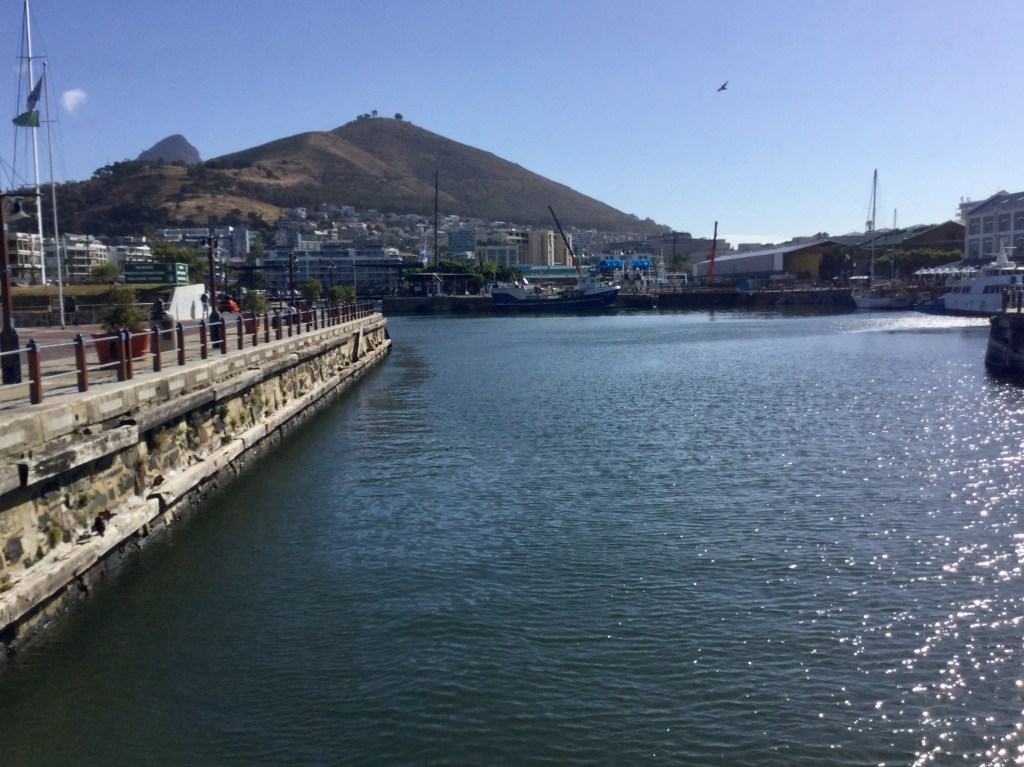
It’s just after 9am as we leave the busy V&A Waterfront behind us and head towards Robben Island – an island unlike others that is famous not for its turquoise blue waters and expensive hotel chains, but for its role in reshaping South Africa’s political history and the struggle against apartheid.

Leaving the V & A Waterfront behind us.

Robben Island has been a place of imprisonment and isolation for centuries starting from the time when the Dutch arrived in the 17th-century to when the British took control. In the second half of the 19th-century, it became a leper colony before turning into a military base during World War II and then a maximum security prison during the apartheid regime in the 20th-century.

Today, it’s an island with a very small population that includes tour guides and their families. It opens its doors to tourists who want to learn about the struggle against apartheid and see the place where Nelson Mandela was imprisoned for 18 years before becoming the first black and democratically elected president in South Africa.

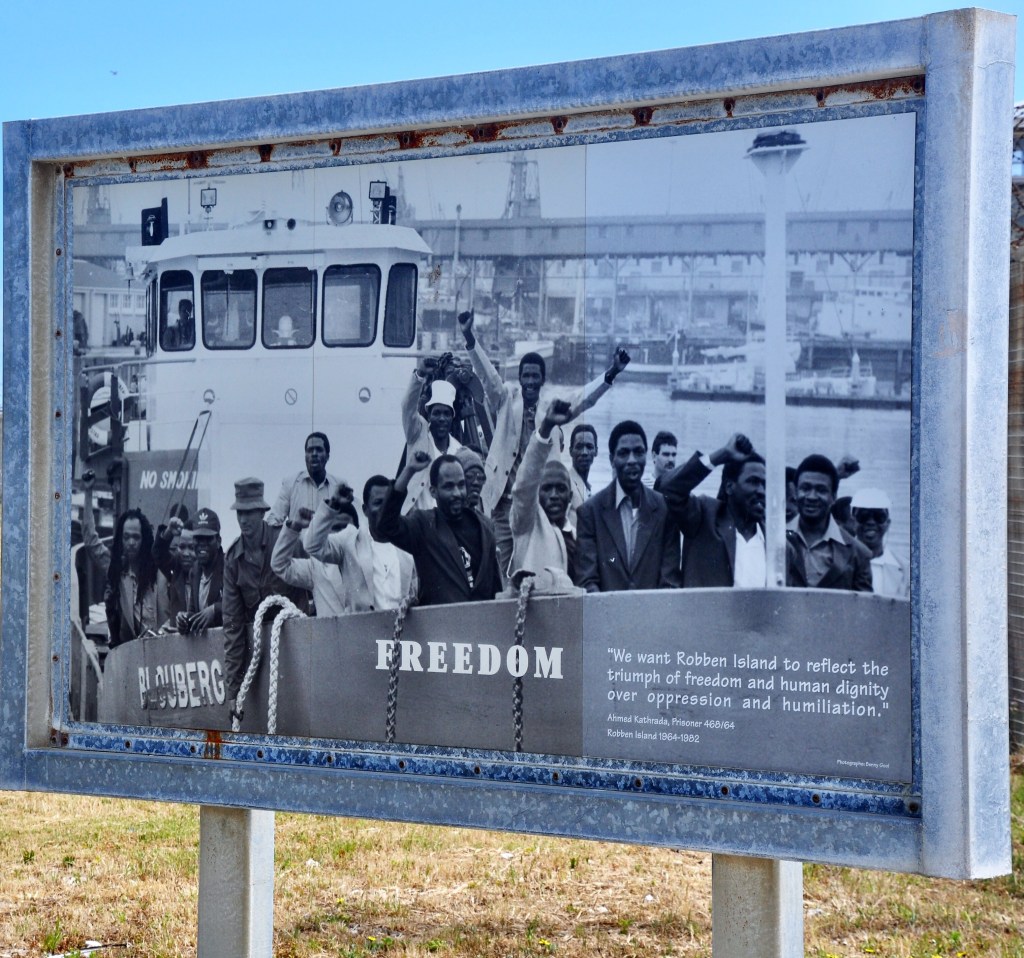
To many in South Africa and abroad, Robben Island is a symbol of forgiveness, triumph over adversity and most importantly freedom. As Ahmed Kathrada (prisoner 468/64 1964-1982) put it “We want Robben Island to reflect the triumph of freedom and human dignity over oppression and humiliation.”

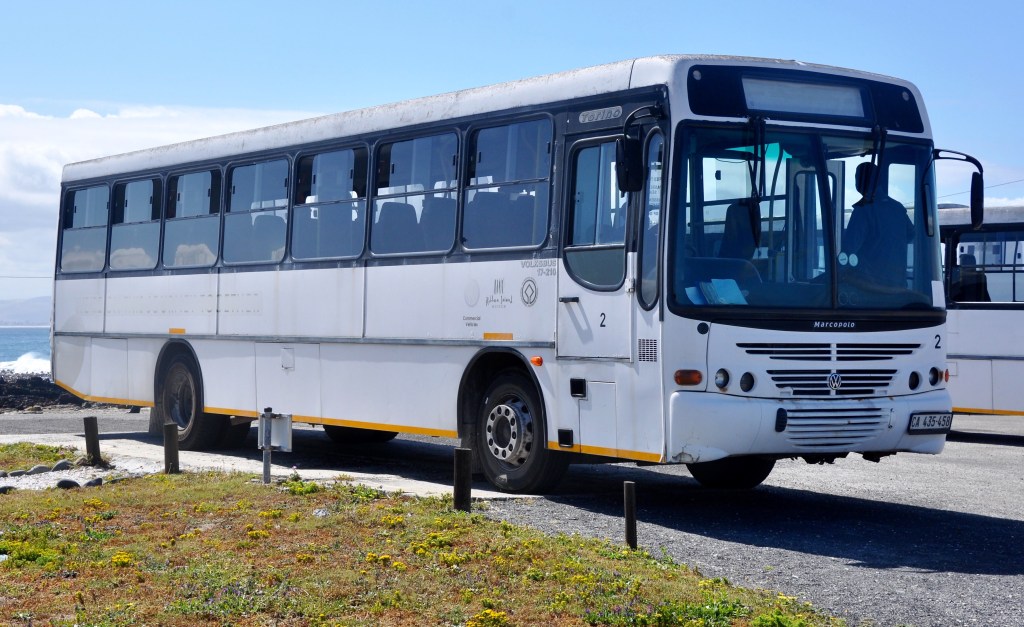
As we arrive to the island, we are welcomed by clear blue skies and the sound of screaming seagulls guarding its shoreline. We are then escorted to board buses, which once used to transport prisoners, and today serve as the island’s tour buses. Our bus; number 2, we are asked to remember so we know which one to board at the different tour stops, is guided by a former political prisoner who returned to work in the island years after being released. 

Island’s tour buses which once used to transport prisoners.

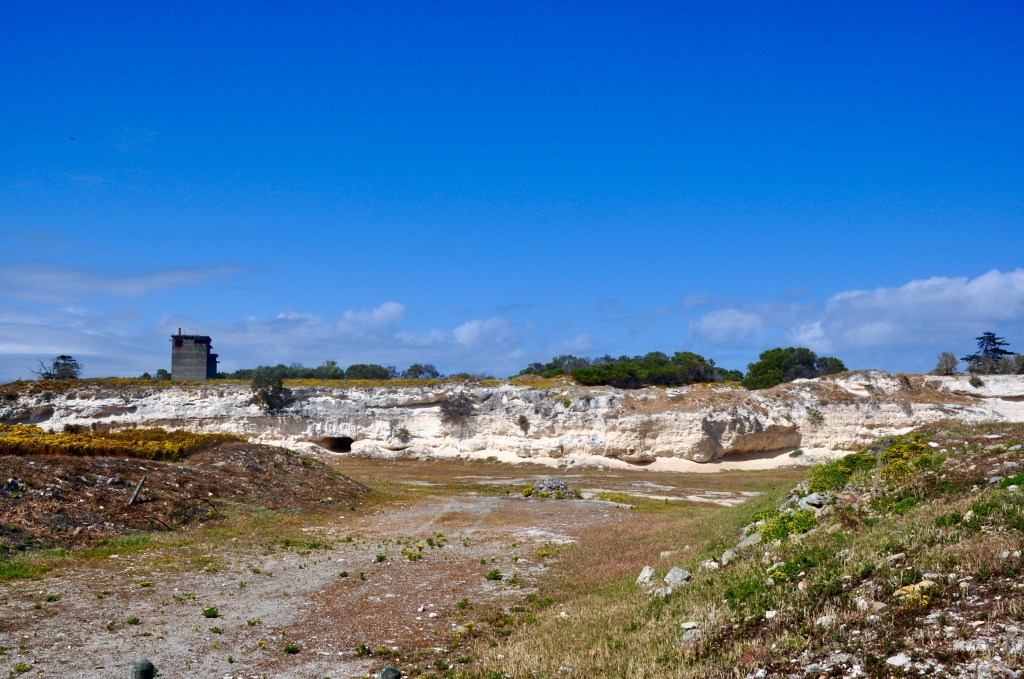
Our first stop is the limestone quarry, where prisoners were forced to work and dig up stones for years. It’s around 11am now; the sun is high in the sky and scorching hot – a perfect setting to picture part of the struggle the prisoners lived when breaking stones under the burning sun. In the middle of the quarry lies the cairn of stones laid by Nelson Mandela and former prisoners on their first reunion in the island in 1995, as a memorial to their hard work and daily life back then.

Limestone quarry where prisoners were forced to work.

After a short stop at the military bunker, we board our buses again towards the maximum security prison. As we arrive, we are greeted by a new guide who takes us on a tour around the different sections of the prison he once was a prisoner in. The prison was split into 4 sections: A, B, C and D. Each section was dedicated to different groups of prisoners based on their race and sentence.

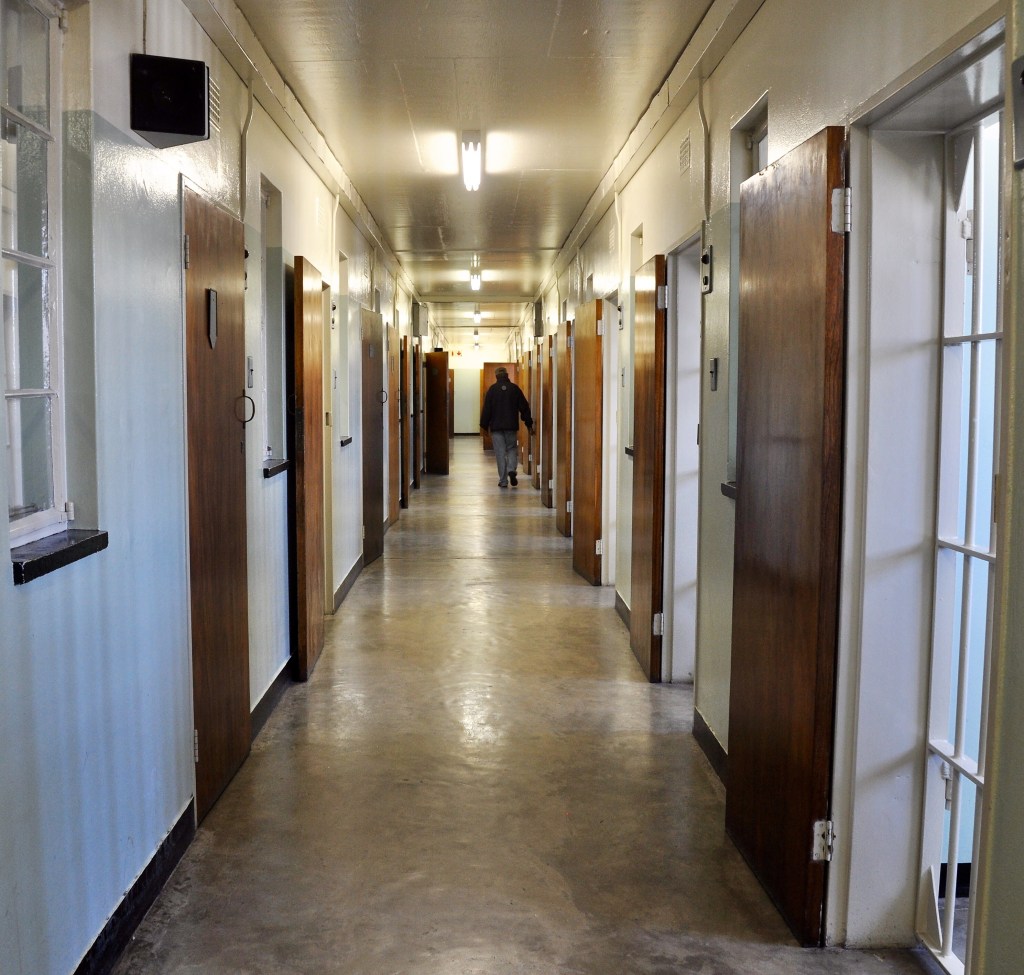
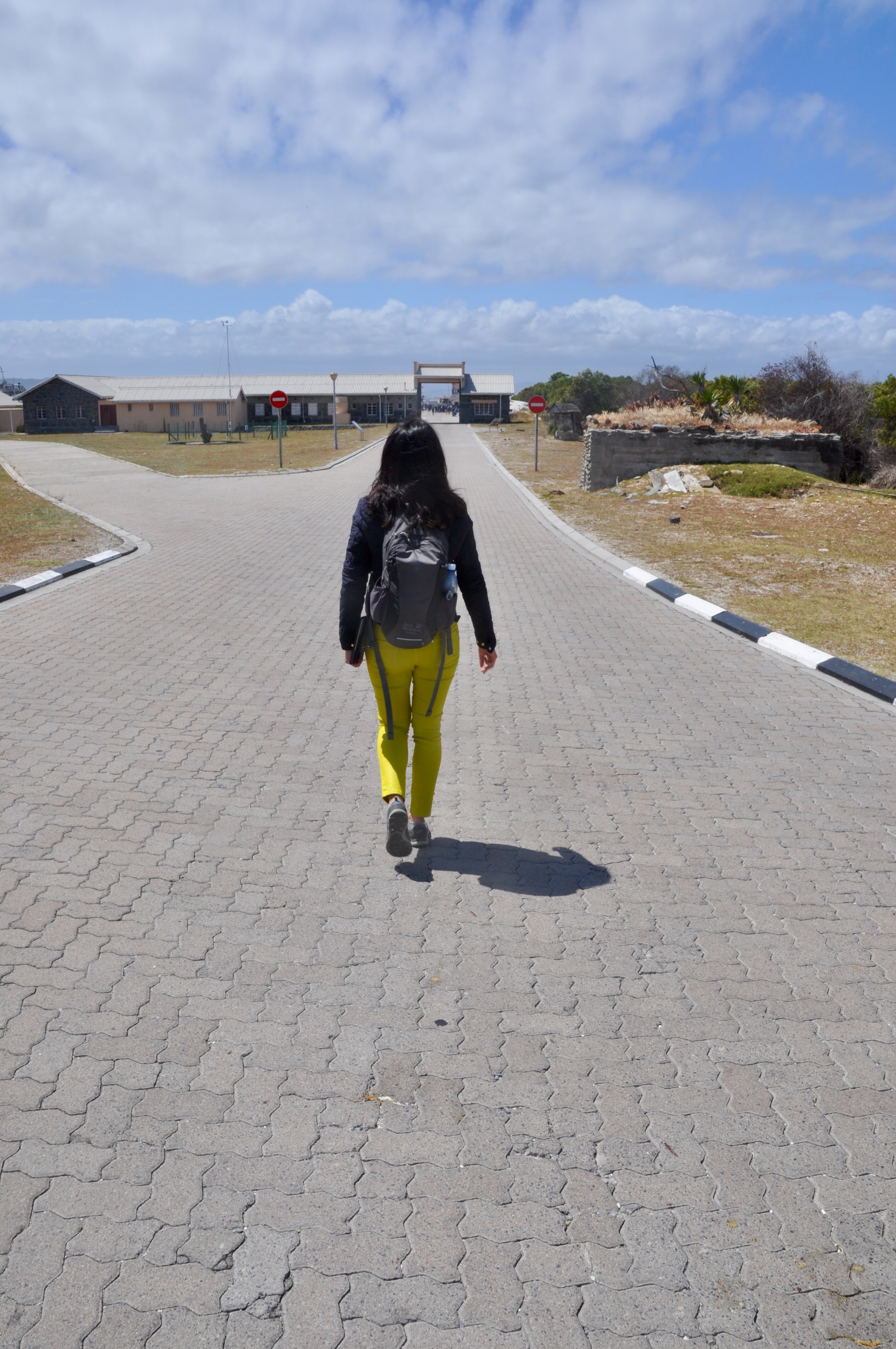
The tour around the prison is probably the most emotional and distressing one. As we start our walk in a long dark corridor and listen to the stories from our guide, it’s easy to picture the suffering of the political prisoners back then.

Section-B prison cells.

The cells on either side of the corridor have cemented floors, a tiny window; covered with iron bars, and two doors: a metal one with bars on the inside and a thick brown wooden door on the outside. They are all very small; as Mandela put it in his Long Walk to Freedom “I could walk the length of my cell in three paces. When I lay down, I could feel the wall with my feet and my head grazed the concrete at the other side.”

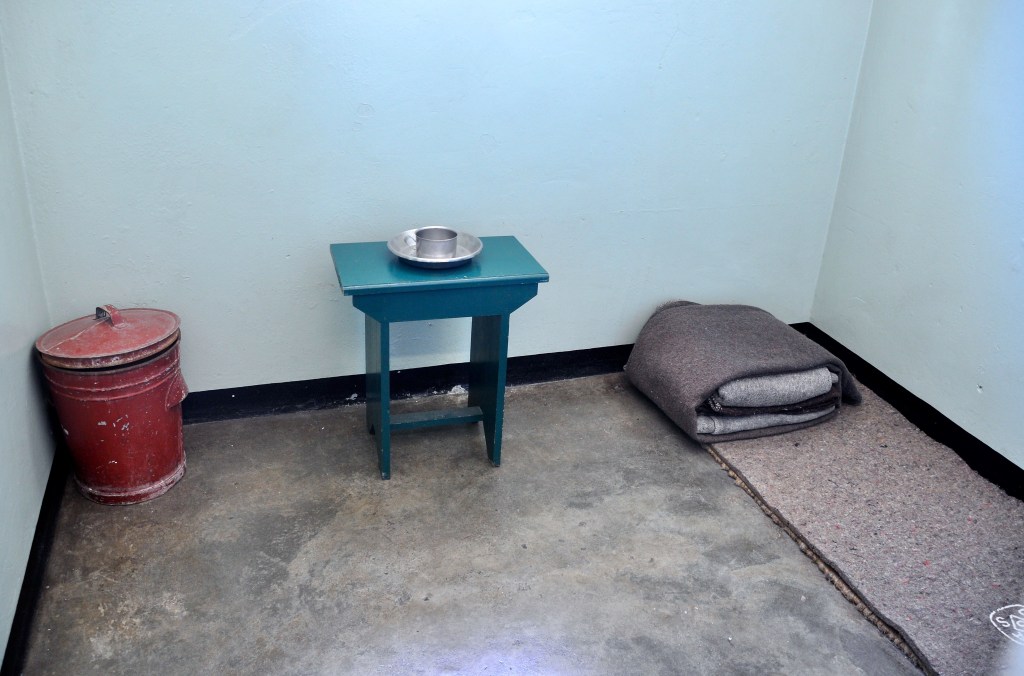
“This is Mandela’s cell”, our guide tells us, so we all queue eagerly to take a peek through the closed iron door. It looks the same as all the other cells. On the floor is a straw mat he used to sleep on, a small side table; with a metal cup, a plate and a spoon, and an iron sanitary bucket.

The inside of Mandela’s prison cell.

Our guide Sama seems open to answer any questions we have, but I’m finding it hard to ask about the past, especially after walking around the cells and seeing what had become of these former prisoners. Their faces still bear the scars of past struggles, their bodies are frail and their eyes are weak from all the hard work and sharp light in the quarry.

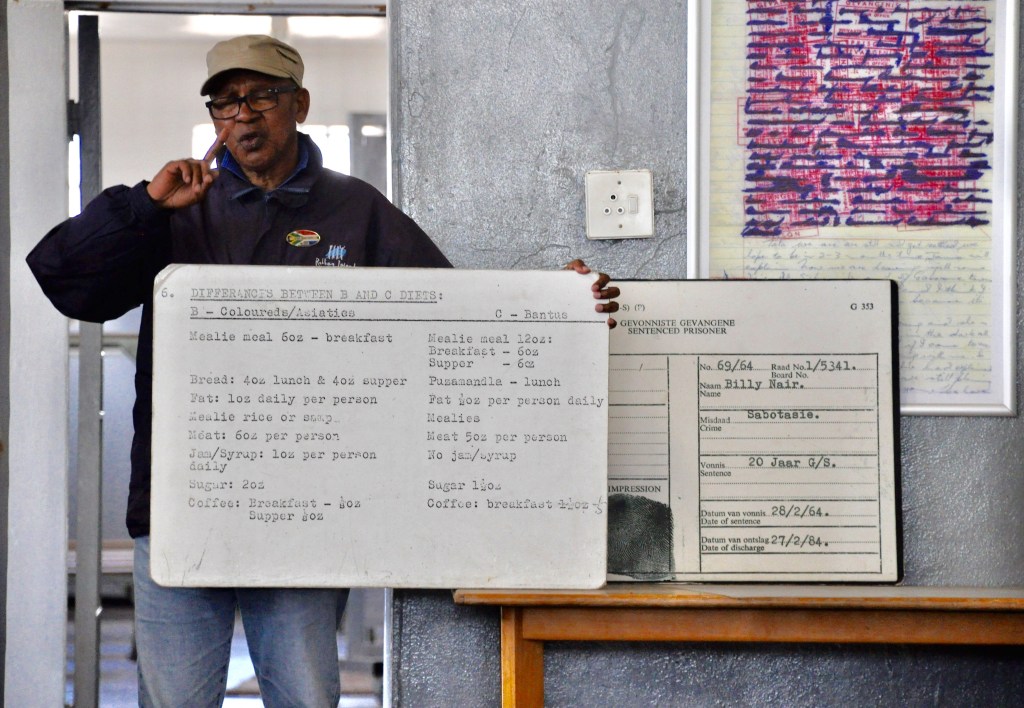
“Even diet was discriminatory and was subject to apartheid regulation” Sama tells us holding a board with the breakfast menu, which was split into 2 sections: group B for the coloured (mixed race) and Asian prisoners, and group C for Bantus (Black Africans). The latter had smaller sizes and less content. “We were told that our bodies don’t need sugar and require small portions only since we were thin” Sama continues with a smirk in his face.

Our guide showing us the food menu split into 2 sections: one for the coloured and the other for black Africans.

After completing the tour in the inside of the prison, we step into the courtyard, which has a small garden on the side. “This is where Nelson Mandela used to grow tomatoes” Sama tells us. “He also used to hide his journals, which later turned into A Long Walk to Freedom, under the soil”, he continues.

It’s almost 1pm, the tour has ended and we are rushed back to the ferry terminal, after passing by the souvenir shop where I grabbed a couple of books: “A Long Walk to Freedom” by Nelson Mandela and “Robert Sobukwe how can man die better” by Benjamin Pogrund. “Robert Sobukwe was a very important icon in the struggle against apartheid. He’s not very famous like Mandela, but his work was equally important” the guide tells me – I cannot wait to read the book.

On the way out of the maximum security prison.

The entire trip has been emotionally challenging but equally inspiring to see how these ex-political prisoners turned a big tragedy that took their youthful years into something positive. They used their years in prison to educate themselves and plan for a better future despite the harsh conditions. Today, they continue to educate visitors about the meaning of freedom, forgiveness and perseverance.

It’s certainly not easy to go back and work in a place where one was humiliated for years. One needs a big heart and a wise soul to take that step. This is not just about Nelson Mandela who changed the face of South Africa, but it’s also about all former political prisoners who still live there and use that experience to educate the world.